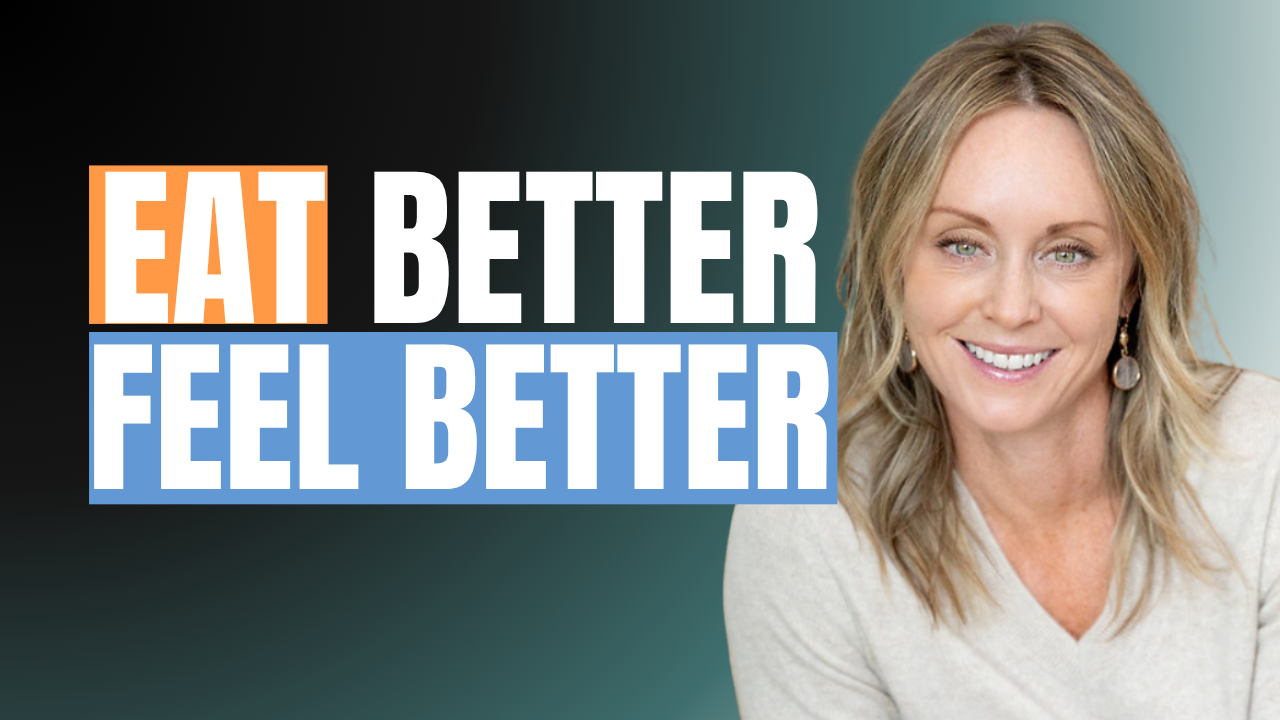
Brian (0s):
This week I interviewed Katie Hardy. Katie is a board certified holistic nutritionist and FDN practitioner who helps high performers reclaim their energy, optimize nutrition, and achieve lasting results through bio individual science driven programs. We discussed how most of your health gains will be done in the kitchen, along with what to buy when going to the grocery store, the importance of functional medicine. Katie's favorite test for optimal health and her one tip to get your body back to what it once was. Really enjoyed my interview with Katie. I know you will too. Thanks so much for listening and enjoy the show. All right. Welcome to the Get Leany Clean podcast. My name is Brian Grin and I have Katie Hardy on welcome to the show.
Katie (42s):
Thank you for having me.
Brian (43s):
Yeah, thanks for coming on. Holistic nutritionist, FDN practitioner like myself. And when did you start getting into health and wellness?
Katie (52s):
I mean, if we wanna go way back, it's probably third grade with the presidential fitness challenge test. Did you guys have those? Yeah, yeah, yeah. You know, so like the pull up setup, UPS, shuttle around, all that. And I realized I liked doing that stuff and wanted to be better at it. And so it was like that kid who asked my mom and dad to like help train me, like run the mile or kind of draw on straws, like, all right, who has to do it now? And as I got older, it was more about, all right, what do you eat for food to fuel the performance, the sports? And that's where got my information probably from Self and Shaped magazine, which is basically like, don't touch the avocado but go nuts with the white bread.
Katie (1m 33s):
And then I kinda realized that doesn't work for me. And so it was just kind of this ongoing process of, all right, I wanna add on the personal training, the strength and conditioning, the nutrition right now I know the things your body needs to eat, but how do you make it taste awesome? So the culinary school. So it just kind of layered on top of each other is, you know, they say you, you learn the things that you need and then you help others with that too. So it's kind of been an ongoing journey. Yeah,
Brian (2m 2s):
No, I, I love it. And the culinary side I think is really interesting because one of the things I always talk about is like, if you cook for yourself, like you 80% of the time, I think like that alone can just help improve your health. Maybe touch on how that's been an influence on you having
Katie (2m 19s):
Oh, hands down. Yeah. So I was definitely one of those people who subscribed to the calories and calories out, you know, workout more. I like, I was definitely the over trainer 'cause you can do that in your twenties and you can be just fine and you, you look fine on the outside. And then I did culinary school and I didn't have time to teach classes at the gym to work out to train for triathlons like I used to do. And so I was a little worried going into culinary school that that'd be a problem on my composition and physique. And long story short, everything we did in culinary school was fresh or real. There was nothing out of a bag box or can. And I was working out probably 10% of what I was doing prior to that and was the exact same.
Katie (3m 5s):
Hmm. But I wasn't eating any of those, like Costco prepackaged things or you know, food out. It was all scratch. Hmm. And yes, granted in culinary school you're learning more of that French, you know, technique cuisine. And then after culinary school I was shadowing and kind of interning with somebody, personal chefing. And so we just got a bunch of reps in like, how do you take those concepts from culinary school and transition it into a home and you know, bang out a bunch of meals really fast for a family so you can be efficient with your time and give them what they need. And so for me that was like life changing because I was one of those people where I, you know, I enjoyed cooking, but it was like, okay, you gotta go find the recipe, you gotta find the list, go to the grocery store, and then you have to follow it to a tea.
Katie (3m 52s):
And it kind of was a little labor consuming and I didn't get how people could just look in a fridge and be like, I'm just gonna whip that up. And that was my goal. I was like, I just wanna know how to like look into something and freestyle it and that is something you don't need to go to culinary school for. I like tried to teach people how to do that and that was a like complete game changer for me. And that's when it, it really resonated that all right, what you eat is probably 80, 90% of it. And I, I had a 20-year-old male I was working with recently and he was shocked. He's like, I had no idea that like most of your gains in the gym come from the kitchen.
Katie (4m 33s):
Mm. And so I think cooking is one of those overlooked life skills that is, is not often taught at school or at home. So like where do you learn it? You know, there's a lot of people are interested in it, but it's like, where do you get that? So some people are self-starters and seek it out, but if you don't know what you don't know, it's like, well, where do you start?
Brian (4m 56s):
Yeah. And it's one of those things that, like my wife and I cook a lot, I should say. She does a lot of it, but she's hasn't taken any classes or anything. Like you can pretty, you can keep it pretty simple for the most part. Right. And, and get it done. I think one of the biggest things is like just the preparation, making sure that you have what you need. And once, once that's like, then the rest is just like, you know, it takes a little bit of time. But we do a lot of like batch cooking, you know, where you, where you cook a bunch at once and then you have it for the week. 'cause that's something that you recommend.
Katie (5m 27s):
Yeah, I think anything that is valuable to you, you have to claim that real estate in your calendar. And like you said, you have to be prepared with that. So you have to have time in your week where you're actually going to go to the grocery store to get the products ingredients that you want. And you also have to carve out some time at home to do something with it. 'cause the worst thing is if you spend the time and the money going there and then it like sits and rots in your fridge. Yeah. So it's kind of finding that balance between, all right, how often do I want to go to the grocery store? How frequently do I want to prep things? And I think the biggest misconception is that it's going to be expensive and very time consuming.
Katie (6m 7s):
And it doesn't have to be that way.
Brian (6m 10s):
What kind of tips would you give people? I mean, I like, for example, making things in bulk is probably a big one, right? Like if you're gonna do something for one night, maybe make it for, so it works for like three nights
Katie (6m 24s):
For
Brian (6m 24s):
Sure. What, what, what other tips would you give someone to
Katie (6m 26s):
Start that? Yeah, so if you're going to the grocery store, I kind of like to divide it out, okay, what are the proteins? So maybe get four different proteins, whether they're animal or not. I do animal products and so I would get like some sort of beef, some sort of chicken eggs and seafood or cork, you know, so pick up four or five proteins and then probably five to eight veggies. And a lot of times people think of veggies as like its own category that like if you're looking at macronutrients, veggies are absolutely a carbohydrate and people usually just think like breads, pastas, rice, and you know, you don't have to actually eat any bread or pasta to have, you know, awesome carbohydrate recovery components.
Katie (7m 11s):
Right? It can be through com like veggies. I mean you can do the grains but you know, pick out, you know, five to eight veggies 'cause you're gonna get a lot of recovery benefits, a lot of nutrients from the veggies. And then if you do grains, then grab some rice, some oats, potatoes, sweet potatoes, regular potatoes. But kind of keep it real simple like all right, X number of proteins, X number of veggies, get the fats that you wanna have. 'cause once you have those in stocks, like some ghee, coconut oil, avocado oil, if you have like quality pork, like bacon, render the fat from that, that gives things awesome flavor. And then like a good salt, like a sea salt Himalayan pink Himalayan salt.
Katie (7m 51s):
And then lots of spices. I love spices because it just can make the same protein veggie combo completely different. You can go like Asian theme, you can go Mediterranean theme, you can go Mexican and just kind of rotate it in a different way so you're not bored and tired of the same thing, but it's still simple to do.
Brian (8m 12s):
Yeah. Yeah. Keep it simple like a carbohydrate, a protein. Yes. Some spices. Right. And then do, is there certain like cookbooks that you like to use? Like are there ones or do you just sort of wing it?
Katie (8m 29s):
Well now I wing it. It's funny you ask like this is one the Forever Young Cook cookbook. Okay. I just happen to have that here 'cause it's a lot of clean like real foods. Yeah. But you know, now that I know how to make stuff, a really simple concept that you can apply to anything is salt, acid fat. And so, you know, a lot of times people are like, oh I don't like vegetables. My kids don't like vegetables. Somebody, somebody doesn't like the vegetables. They're boring if and when you cook 'em in some sort of fat, so like let's take broccoli for example. Put some ghee which is clarified butter on a pan, high heat, chop out the broccoli, put it on, sprinkle some good salt and then squeeze some lemon.
Katie (9m 12s):
'cause the lemon or the acid is what gives that pop. And so if you get the right balance between the salt acid fat and they get the texture the way people like it. 'cause texture's a huge thing. And you know, it is like whether your goal is to put on muscle or like cut fat, like the food has to taste good to follow through with the plan in real food should taste awesome. So what the salt acid fat does is it helps enhance the natural flavors of whatever the thing is. And then you get the texture dialed and people are asking for seconds and thirds of vegetables, which shocks people. Hmm. It's like guacamole too. Like if it doesn't have the lime, it turns brown.
Katie (9m 52s):
If it doesn't have the salt, you can't like, you know, it, it shouldn't just taste like an avocado, it should taste like guacamole. And I've had tons of people say, oh my kid or whoever doesn't like guacamole. But once you get that balance in the sea, you know, the salt acid fat, all of a sudden it comes to life and they're eating it and everybody's surprised and happy.
Brian (10m 14s):
Yeah. I love that. Yeah, I mean for someone that doesn't like veggies, there's ways to, there's ways around it. Right.
Katie (10m 21s):
Oh, and I was definitely one of those people growing up. I had a pretty bland unexciting diet. I did not grow up with like all these exciting foods. You know, I think the culture's definitely changed since growing up in the Midwest in like the eighties and nineties. And also just knowing what to do with the foods to make it taste great is a huge thing. I mean, I was a canned green bean girl and the fresh one wasn't taste very good to me 'cause I wasn't used to it. And when you're exposed to something and have it prepared in a way that you like it, you will eat it. But most people haven't had it prepared in the way they like it yet. It doesn't mean they're not gonna like it, they just haven't, they're exposed to it yet.
Katie (11m 2s):
So they're probably not gonna request or crave the thing that they don't know. They don't know. Right.
Brian (11m 8s):
Yeah. And what else, what other like principles that you like to follow? I mean, obviously eating for your make, cooking for yourself is a big one. What other things do you work on for yourself, for your kids or even clients?
Katie (11m 20s):
Yeah. Food wise or outside of that? Yeah,
Brian (11m 22s):
Outside of that actually.
Katie (11m 23s):
Yeah. Yeah. I think getting outside every day, regardless of the weather is pretty huge. Just getting exposed to that sun and moving from somebody who used to like go probably too big on training for races and things. Simple as walking, you know, that can go a long way. Right. And it just for getting circulation for regulating your nervous system. But lifting weights is a big thing for me. Strength training. Yeah. So I, I'm a big proponent of that. Stay balanced, stay strong.
Brian (11m 57s):
I agree. Yeah. Lifting weights has been a big part of my life. And I always talk, we talk about walking a lot simple to do, simple not to do. Right. It's like one of those things that, you know, that adds up over time. It does. And just getting outside, I mean, you're in Colorado, so you got the beautiful mountains, I'm sure you go hiking. Do you go hiking a lot?
Katie (12m 17s):
Yeah, I like to get out on the trails. It's, there's, they're right outside your door, less than five minutes away. So that can help. I mean we do get, I interesting weather patterns here too. And it's winter more months than not. And you know, I think that's something people have gotten a little too comfortable being comfortable and it's okay to like get uncomfortable. Whether that's with, you know, strength training or the temperature or just, you know, trying and learning new things in general. So I think getting comfortable with the uncomfortable is also a part of that bigger picture of those are the stressors as you know, from training people in the gym, in order to have a response that you want, you need to have that stressor first with the appropriate recovery.
Katie (13m 2s):
Yeah. So I think, like you said, it's walking's one of those things that's easy to do and easy not to do. I think our culture has gotten very comfortable, like kind of being catered to and making everything really easy so then we don't often get the results we want because we're not intentionally challenging ourselves anymore.
Brian (13m 21s):
Yeah. And one of the things I like to balance the stressors out, we always talking off before we got on, was some type of spiritual practice. Like, I mean for me it's yoga, I think, I don't know, I, I go to, I when I, every time I go, I think to myself how people like don't have some type of like meditation or yoga in their life. Is is that something that you try to incorporate?
Katie (13m 43s):
Yes, I love yoga. I don't teach it but I like to go and I even like the yin yogas that are more restorative, really get into the fashion, stretching the muscles. Have you heard of Qigong?
Brian (13m 58s):
I've heard of yin Is Chi, is that just another version?
Katie (14m 2s):
Qigong is kinda like a moving meditation and it's like a little more eastern medicine. Something I got exposed to, I don't know, maybe 12, 14 years ago. Because the person teaching me was like, you don't really seem like somebody who like sit really well, like initially. Like obviously that's the goal, but for people like that is kind of a way to physically have like a moving routine you do to kind of get you into your body and not like all over the place. So it's how I start my day. It's, you know, you, you could do it for 30 or 60 minutes. I do it for five to 10, but I figure cumulative effect of five to 10 every day. I mean I used to pop out of bed like race out the door. Now it's a little, you know, more of a margin in the morning.
Katie (14m 45s):
And that is very balancing for me and that's a part of it. So you know, whether it's like yoga or the meditation or the breath work, I love breath work too. Something like that I think is really important.
Brian (14m 57s):
Yeah, I've had a few guests on that have specialized like in breath work and I think it's one of those things where everyone can do it. That's like, you know, it's free, it's not that difficult, it's just like you just gotta practice it a little bit and just be conscious of it. And then obviously as an FDN practitioner, how did that, how did you incorporate that into your practice and, and when did you start that?
Katie (15m 23s):
Yeah, so you know, with all the different certifications, you know how it is, you always have like continuing education for them. Yeah. And I got board certified in holistic nutrition and then was kind of checking out what are the different areas I could get, you know, my continuing ed points for. And then found, basically found FDN that way. And what it is is learning how to run functional labs like blood, urine, stool, saliva and interpret them through a functional lens looking for optimal ranges. So rather than waiting till somebody gets to a point of a diagnosis and needing prescriptions or being in a a tough spot, get in front of it when you start seeing areas that could be optimized through diet lifestyle primarily.
Katie (16m 9s):
And I was like, that sounds really cool because I, you know, in, in undergrad I was exercise science pre-med and then ended up graduating with psychology. But I had all the science, all the math and I always loved the, you know, the science and just medical stuff. I just learned, that's not the lifestyle for me, but I still wanna incorporate all those concepts. I'm like, this is totally, you know, the mix of the concepts I like. And instead of dealing with sick care, it is like promoting health and performance and then, you know, having that flexibility, how it really came to fruition was during COVID when everything went virtual because all my work I was doing was in person, you know, strength and conditioning and nutrition and cooking and all the things.
Katie (16m 53s):
And like this is a perfect segue to, you know, everybody got comfortable going virtual and so that's kind of how it transitioned.
Brian (17m 2s):
Very cool. Yeah, we FDN definitely a great program, great certification and you know, there's so many ways to test. How do you sort of incorporate that into your practice with clients and which tests to use which not to use?
Katie (17m 19s):
Yeah, so I have a few different programs I run with people. So it kind of depends like what their history is, what their symptoms are, what their goals are. So I have, you know, different tiers but you know, people can do anything from looking more at the energy management. 'cause that was a huge piece in my, you know, journey was like, we're starting to talk about, I used to eat very low fat, no fat, followed all the wrong rules really well and that got me into a tough spot like hormones and just like, you know, like weight wise I was too low and then, you know, kind of blacking out and I was like, I'm doing all the things. And you know, when you're, when you're very dedicated and driven to do things, but the rules aren't written for you, they're kind of written for the masses that don't necessarily apply to you.
Katie (18m 5s):
It doesn't support what you need. And so once I figured out like, you know, protein fat works better for me still with carbohydrates, but you know, just a little different recipe than maybe the general recommendation. All of a sudden my energy is in a really good spot and I used to have big energy dips and spikes from all the carbo process carbohydrates. And so I incorporate continuous glucose monitors with people. Do you use those? Have you ever used one? Yeah. Yes
Brian (18m 31s):
I have. Yeah. Yeah, it's been a bit, but yeah,
Katie (18m 34s):
It's, it's kind of eyeopening, right? Like what different things do, but not just foods or drinks but stressors and how that can kind of impact your day. So that's a component. And then if I'm running labs with people, I do a Dutch, Dutch, if you're familiar with that, is a urine saliva and it gets into your stress hormones. A lot of people when they hear hormones think just sex hormones, it's that too. And upstream, as you know, the stress hormones kind of, you know, dictate what happens with the testosterone estrodiol progesterone and the balances there in your melatonin and with how well you sleep. And you know how important recovering sleep is for whether it's gaining muscle or just staying mentally focused or just, you know, being able to recover from anything.
Katie (19m 19s):
So that's one of 'em a GI stool map. And that gets into your gut bacteria or your microbiome balance as well as parasites, yeast, any fungi, any things going on that could be causing more internal stressors. And then how well you're digesting and absorbing your food because nutrition isn't just what you eat, but it's what you actually digest in, assimilate into your cells because we can be eating the best diet for us, but if you're pooping it right out, it doesn't much matter. And so we need to make sure everything we're putting in is actually getting absorbed. So that's another one. And then I do a comprehensive blood work analysis. So it's all the things you do at the doctor looking with tighter ranges.
Katie (20m 4s):
But I also incorporate like a full thyroid panel on it. Not just the TSH but the whole, you know, free T three, free T four, the antibodies, the whole deal, you know, get into the vi d, the vitamins, minerals like DI see that really low in people all the time, even coming off of summer when you'd think they'd be outside getting some sunshine. But then getting into like an advanced lipid profile just to really dig into the particle sizes of their cholesterol, the LDL, the HEL, the sizes, the numbers. And then if people wanna really go advance, they can do MRT, it's a mediator release test and that gets into food sensitivities, not allergies, it's different, there's allergies, sensitivities, and then intolerances.
Katie (20m 49s):
And they're all different, but they can be related in overlap, but it gets into your immune response to different foods. So not like this is gonna kill you, but like if you're chronically being exposed to something that's kind of bugging your immune system, it can result in brain fog and joint pain in weight sticking around the belly. And it can be from things that are good foods, but if your immune system's, you know, not labeling something properly or it's chronically exposed 'cause of like a leaky gut situation, then it can have some disturbances there, which can create a lot of imbalances and just discomfort in a person's body.
Katie (21m 29s):
Get into micronutrient panels, so to know not just what's in your bloodstream but in the cells. So it's inter and intracellular levels of micro or of nutrients, vitamins, minerals, and then total toxin. And that gets into environmental toxins, metals, molds, and mycotoxins. So,
Brian (21m 49s):
Hey everyone, quick interruption here. If you are looking to gain energy, lose inches around your waist and build strength, well look no further than my book, the Stepladder system. Six Steps to Lifelong Health and Vitality. What you get with the book is my full step-by-step plan and blueprint that I've worked with all my clients with packed into one book with part one, you're gonna lay the foundation, tackle any common challenges that might come in your way. Part two is my six pillar blueprint, how to set you yourself up with a solid plan and know exactly what to do when life throws any curve balls. And lastly, step three are learning to implementation, a plan for getting results over the next weeks and beyond.
Brian (22m 32s):
So there you have it. I'll leave a link in the show notes for my stepladder system book. Now back to the podcast,
Katie (22m 40s):
I don't have like one thing that I do for everybody, it really depends on what somebody needs. Some people are looking for that jumpstart like, hey, I gotta get my energy dialed. I am tired in the afternoon, I'm sleeping like crap at night. I don't feel like I'm recovering from my workouts. I just, I I'm relying on caffeine every day, like throughout the day. And other people are like, I know there's something going on with my gut or some, you know, like the, you know, forties, fifties, the hormones becomes a bigger topic of conversation. So it really depends on the person and again, their interests, their, their history and their goals.
Brian (23m 16s):
Yeah, no, quite the comprehensive analysis for every client. I mean e everyone, you know, it's, it's, it can be a co it's like solving a puzzle, right? So it could be complicated a bit depending on the individual. Beyond the testing, is there some common theme that you see with a lot of people that you work with? Like, or even with the testing, is there something like, you said vitamin D comes up quite a bit. Are there certain other things like sort of markers that you, you see commonly with people?
Katie (23m 47s):
Yeah, so I tend to find a lot of like highly driven go-getter, overachiever type A people. And the exact qualities that get people into that successful situation can also get them into an imbalance with like their cortisol and DHEA is that counter hormone. So cortisol is breaking things down, you need that, it's part of your stress response. But then the DHEA is kind of their, you know, counter to that, that allows your body to repair, recover it's upstream of your testosterone estradiol. And so I'll see that get off and if, and what's kind of crazy is your body actually does really well in the short term.
Katie (24m 32s):
When your cortisol's high, you feel awesome 'cause you're like, your body's releasing sugar into the bloodstream. You've got like an abundance of energy. You're like, yeah, I'm on. Like, and you can actually get a little bit addicted to the higher cortisol and adrenaline that can come with that. And you can operate for days, weeks, months, years, even decades. And there's a point when you hit the backside of the curve, that's when you start noticing the symptoms. And that's usually when people start being like, oh, I used to do this all the time in my twenties, thirties, but like my same thing that's used to work isn't working. Or Oh, I start having that like belly fat, like what's going on? I'm doing the same thing I've already done. Why isn't it working for me anymore?
Katie (25m 12s):
And so it's, it's pretty common that people burn it till they have nothing left. And like, what should happen when you wake up, you should have this nice cortisol awakening response. So when you wake up, your cortisol should elevate and then it should start coming down. And that is necessary for survival. Like back in the day, if something's chasing you, it's your ability to like run from it, fight it, do what you gotta do. And also today we need that just to deal with whatever the physical, mental, emotional stressors are when our bodies are not capable of producing that spike. That's a very maladaptive response. And so I'll see people flatlined. Hmm. And that's when people are like, I can't really get out bed.
Katie (25m 55s):
Or they get outta bed for a little bit and they're like, I need to lay back down. Or they get their best sleep from seven to 9:00 AM or they get up, fold the laundry and they're wiped. You know? And so unfortunately most of us need something to hurt enough before we start thinking about like doing something about it, you know, rather than getting in front of it. But that's really common. And the surprising thing for a lot of those people is doing less physically for a period of time and actually eating more food. They drop body fat and they improve their energy, they improve like their vitality, their skin, their sleep, all the things. But it's very counterintuitive to the message we've been given all along.
Katie (26m 39s):
Just, just plow through it. Just, you got this, you know, and you get rewarded, right? You get rewarded for, for just like tuning things out in athletes. So high achievers are, I think very good at compartmentalizing things or just like pushing through it because that's what leads to short-term success. But over time without the breaks, then that breaks you down. Hmm.
Brian (26m 59s):
Yeah, those are great points. I mean like you talk about cortisol, like it has that diurnal rhythm to it, and you're saying that you should get that spike in the morning that gets you going, but you see a lot of people where that they don't get that. It's almost like they're in like this burnout stage where they've, it's they've so used to just like pushing, pushing, pushing. And eventually the body just gives in.
Katie (27m 22s):
Yeah. And that's when you're like, I need coffee to get through the day. And what coffee does is it really burns your adrenals even further. So you're really robbing from tomorrow to pay today. And when you're in, you know, kind of a vine like that in the moment you're like, yeah, I don't care about tomorrow. I need to function now and then tomorrow you're in the same position, I need to function now. And then, you know, it, the, the amount you have increases and the amount you need to notice a difference also increases your tolerance, you know, increases. So the same amount has less effect.
Brian (27m 55s):
And like you said, in order to sort of counteract that, sometimes you need to step back and like not go as hard or just focus on like the recovery aspect of sleep and making sure that you got stress under, under control. And a lot of times that could help you can And undereating as well. I was gonna ask you about that is you do see a lot of restrictions, especially maybe with women Yes. Where they're not not eating enough and Yeah,
Katie (28m 21s):
For sure. Because when your body's already in a stress state and then you're depriving it from food, you know how a lot of people are like, oh, I heard about this intermittent fasting. Like, okay, let me just skip breakfast. Okay, so you're already stressed and then you're telling your body, we're in a famine, we have no food source, so your body now is further stressed. And so what does it do? It kind of slows everything down, right? Because we don't know when we're gonna get any berries or a bear or fish or anything. So we need to make the little bit that we have last as long as possible. All right? We know what happens there. Our metabolism slows down, thyroid slows down, all the things kinda shut down.
Katie (29m 1s):
It's a, it's a protective mechanism and we start breaking down muscles for fuel if we're, you know, you know, too far along that route or if you go to the gym, fasted and stressed and especially women have a little different response than men that further contributes to that situation of the body being under stress. Whereas in contrast, starting your day off with something, particularly some protein or you know, protein forward something, especially for women, just the hormones, there's just differences between men and women. And again, there's individual differences, gender aside.
Katie (29m 41s):
So, you know, it's all nuanced, but you know, starting with something to tell your body, Hey, I'm not in a stress state, you're safe. Okay, we can use this freely and we can use it and send it to, you know, muscles for repair. We can send it to the gut for digestion, we can send it to make immune cells, we can have it do the long-term projects. But what happens when we're under chronic stress, our body shuts down the long-term tomorrow projects at the expense of taking care of today. So long-term projects would be reproduction. So sex hormones, digestion might not be around tomorrow to eat it. So digestive enzymes, you know, the productions slow down or diminish, which affects the nutrients you're actually absorbing.
Katie (30m 24s):
Thyroids, you know, slows down all the things kind of shut down to handle today. And so if you're kind of in that over exercise, over training, over stress, undercovered bucket, your body will always prioritize that over tomorrow. So, and also with like teen athletes, they have high growth demands, high nutrient demands. And so when they're doing a lot of sports, a lot of training that's not well thought out conditioning wise, like there's not a plan to it. They're at higher risk for over training, under recovering and not getting the nutrients that their bodies need for like the brain development, the bone development, the muscle growth. And so that's where both the nutrients, not just calories, but getting the actual building blocks and structures your body needs as well as the recovery so your body can put all that together is super important.
Brian (31m 17s):
Yeah, yeah. Those are all great points. I mean, I see it quite a bit where women are just undereating and men too sometimes. I mean for, for I was, I used to be in the fasting, I, I came out with a journal and I think, you know, it was a, it actually was a great sort of, I should say like experiment or you know, sort of like, just to see what, how I would feel in a fasted state doing certain things. And, and I don't regret it at all, but I also have learned that like I, I probably wasn't consuming enough for what I was doing and, and now like, you know, if I need it fast, because let's just say I don't, I'm on an airplane, I don't feel like eating.
Brian (31m 58s):
Like I sort of have that tool. I always say it's a tool to use, but it can also be overused and yes. Yeah. And I think it's important to know that balance, you know?
Katie (32m 7s):
Yes. And I think our culture tends to take everything that way. If this is good, more's better, right? You know, whether it's hot, you know, like the saunas, like cold plunges fasting, like yes, weight training's good, but you don't max out your squats every day. Right. You know, that that doesn't work. You know, so it's all about what stress load can your body handle and what type of recovery does it need to be put in the position where you're actually getting stronger or, you know, having adaptive responses versus maladaptive responses. And then when, you know, you're talking about the, the fasting or the time restricted eating, I think that's a great exercise for people to do.
Katie (32m 48s):
And I think later in the day, even though socially it's like a little more awkward that actually has more positive impact on the body composition than like skipping it first thing in the day. But that's a harder, harder one to sell.
Brian (33m 6s):
Well, yeah, I mean I I I, we, I feel like as I've gotten older, maybe like we try to eat earlier, you know, earlier in the day, give yourself time to digest the food. I think that'll help with quality of sleep. And you know, now I coach golf, so like we have all our stuff in the afternoon and like I try to get that, that meal in early, but it's a little bit later. But I I, I truly enjoy eating earlier and being done. It's like, you know, even if it's like senior citizen hour, it's fine. I
Katie (33m 33s):
Was gonna say blue hair special. Yeah. That's great.
Brian (33m 36s):
Yeah, I mean I've had, I don't, I know you've listened to a few of the, I've had Jay Feldman on a bunch and Jay Feldman is sort of part of that sort of like pro metabolic lens and they talk a lot about that as like, you know, he's, he was sort of out out of the Dr. Ray, Pete, I don't know if you're familiar with Dr. Ray Pete, but he has, he has some great work around like controlling the stressors and making sure those are like num you know, top priority. 'cause like you said, if if, if you're, if you're running on stressors, everything else takes the backseat, hormonal, reproductive, things like that even can be muscle sparing as well. So Yeah, I, it's one of those things where initially you might be fine, right?
Brian (34m 19s):
Initially someone could be restricting and doing things and losing weight. But over the long term that's when we really run into problems.
Katie (34m 28s):
Exactly. Yep. There's a short term game, there's a long-term game and sometimes you start with the short-term game, the transition, but it, you know, some of the things that work for a short amount of time over too much time then it's like diminishing returns or maladaptive returns.
Brian (34m 46s):
And I like to ask this question to most of my guests I have on is like, what's one thing you've changed your mind on?
Katie (34m 54s):
I mean, there's several well, recovery just along the lines of that, that's for sure. One, because I completely under recognize the value of it. I was, you can sleep when you're dead, you know, just grind it out more is more not smarter is better, you know? Right. And I, it, it probably took me to actually see my numbers on paper for that to make sense for me because it was kinda like, oh yeah, that's good for everybody else. Just like, I don't need that. Like I'm, I'm more resilient than that. And then you'll like this with all the labs from FDNI was running my labs several years ago and it was a period of high stress and you know, did the labs, sent 'em in, went on this back country ski trip skiing out and blew out my ACL.
Katie (35m 50s):
And when I got my labs back on paper, my cortisols through the roof, my DHEA was tanked. My, you know, like females you have to do a certain day of your cycle. So then your hormones are a position where there tends to be more injuries that time of, you know, the cycle anyway. And like looking on paper, I was exactly the equation for this looks like a, an accident or an injury in the making. Mm. And when you're undercovered with sleep, when you're not getting the best nutrients from food, alcohol's a stressor, caffeine can be a stressor, you know, like done too much. I was over training, under recovering, I was doing all the things wrong and the paper captured it and I've never like had an injury like that in my life.
Katie (36m 35s):
I was like, that's interesting.
Brian (36m 37s):
Yeah. And could have led to definitely led to help, you know, with that, that injury for sure.
Katie (36m 42s):
Yeah. It wasn't setting me up for success, let's put it that way. Right. And so that was kind of like a all right, yep. I need to actually, you know, take this for myself and apply that.
Brian (36m 54s):
Yeah. When you're, I feel like when it's 40 plus and it's like you gotta listen to the body more and more. Yeah. You know what you did in your twenties, it's not gonna work in your forties for the most part.
Katie (37m 8s):
Yep. You can sneak up real fast. Yeah. And you can look good on the outside and still be kind of a mess on the inside so that like you can tell if there's inflammation or something like not great from the outside, but you can't guarantee there's nothing going on on the flip side. So I think that's, you know, probably the most underutilized free ergogenic aid is sleep, like quality sleep. And now there's been a lot more studies out on that, you know, where you can see the data. But that was something I didn't really get 20, 30 years ago. And now, you know, just between athletes, between myself, you know, just like if you do the same workout with a quality night sleep versus not like, or like pull-ups.
Katie (37m 54s):
Like that's one thing that if I get a crappy night sleep, I can't do nearly as many pull-ups as if I like had a solid week of, you know, good sleep. It's just night and day different. Like you feel 50 pounds heavier and so,
Brian (38m 8s):
Well on, on that note, what are your routines like to help you get optimal sleep?
Katie (38m 12s):
Yeah, well now I try to have a little like wind down time. Both like morning and evening, some margins in the day, which I didn't use to respect or value. So I try to, you know, sit down. They say it just takes six minutes of reading to kind of calm your nervous system to get into that rest and digest or parasympathetic place versus fight or flight or sympathetic. So I try to read, you know, 10 minutes at least at night before bed and then turning the lights down just to help that melatonin production because as your cortisol drops throughout the day, your melatonin should be increasing so they're counter to each other. And again, I like to eat dinner earlier, sports schedules don't always allow that or I'll eat earlier and then just like, you know, have something later for the kids.
Katie (39m 0s):
But I just really having some space to kind of bring the energy down is like really important for me in my nervous system.
Brian (39m 10s):
Yeah. Not just you but everybody, right?
Katie (39m 12s):
Yeah.
Brian (39m 14s):
You know what I've been using, I have a red light lamp. Ooh. Yeah. And I keep that in the room. And so I'll put that on at night and you can read with it and do whatever. You can even get the bulbs and replace the bulbs for your, for your room. So Cool. I recommend that.
Katie (39m 30s):
Which one do you do?
Brian (39m 31s):
I mean, there's so many now. Yeah, I can't think of the name off the top of my head. I have a red light panel in the basement that's a separate thing, but I, I recently got a lamp, which I thought was a cool thing. You could travel with it too. But yeah, I mean now there's so many companies that make 'em, but you know, you don't need to spend a ton on it. It doesn't have to be crazy expensive 'cause some of these panels are, but you could just do like either the bulb to replace it or, or just like a little nightlight. And I think that helps. And, and if you need to get up in the middle of the night and you need some light, you can put that on and you're not, you know, you're not putting the blue light on. And I think that can be very helpful.
Katie (40m 11s):
So Very cool.
Brian (40m 12s):
Yeah. Well, yeah. What what, one tip, this is also another question I like to ask most of my guests. What one tip would you give individuals? You know, maybe they're, they're starting out, they want to get their bodies back to what it once was perhaps maybe 10, 15 years ago. What one tip would you give that individual?
Katie (40m 31s):
I would say go to the grocery store and start simple. Pick one protein, one veggie and one or two veggies. And then like if you're doing grains like a rice or you know, something like that, just make one meal a week. Like, because it starts with a small step and doing something that's a little less overwhelming is gonna have a much higher likelihood of sticking. And so if that's all right, I'm gonna like do breakfast once a week at home or I'm gonna make one recipe a week and it could literally be instead of doing no breakfast, I'm doing like scrambled eggs, you know, one day a week.
Katie (41m 13s):
And it's going, any action or behavior, whether it's positive or negative has a propensity to increase. So just start with one and like have that be the goal and feel successful with it. And I highly believe that real food is gonna be one of your biggest tools you can implement because it's information for yourselves. It's, you know, I mean that alone is what you need, but like just your energy, everything that comes from that is going to be positive and build from there. And I think it's one of those things, a lot of people have a negative connotation or thought about what cooking is.
Katie (41m 57s):
It literally can take five minutes, 10 minutes, you know, like shrimp, some like steak, you like sear it really fast and you know, veggies, same thing. You roast it or throat on the pan right afterwards. It doesn't have to take much time and it can have profound impacts on your energy, your mood, your recovery, your sleep. So that is, you know, but like you don't need to like cook every meal. You don't need to spend two hours meal prepping. And people talk about like, oh I spent all my Sundays. I don't, I cook a meal at a time, but I'll make extras like you said, 'cause if I'm gonna make a mess of the pans or the cutting board, like let's have it last more than a meal. So like I'll make a bunch of roasted squash so then when I'm making some eggs I can throw some in with that.
Katie (42m 39s):
Or if we're having steak and throw some in with that. So whatever you make, make extras and then you're kind of mixing and matching. But just start with one because it's too overwhelming. I'd rather have people do one breakfast one day a week all year long than do one week of meal prep and be like, hmm, over it. Going back to the old routine than the rest of the weeks of the month or the year. Yeah,
Brian (43m 4s):
That's a great tip. That could be the first time somebody has said that tip on the show. Oh
Katie (43m 8s):
Really?
Brian (43m 8s):
Well I, yeah, but can be profound I think, you know, and you know, start small, right? And, and build from there.
Katie (43m 18s):
Have you heard of the book Tiny Habits by BJ Fogg?
Brian (43m 22s):
I have heard of that book, yes.
Katie (43m 24s):
Yeah, I recommend that if you're into that, you know, kinda understanding the science, the why behind behavior change. And he in that book talks about, all right, if your goal is to floss, 'cause you know, after the dentist people are like, oh yeah, I guess I should floss again. And they do it for like two days before the dentist and then stop, start with just putting the floss on and doing one tooth. And that's the goal. Like it sounds ridiculous, but usually people like once they're there it's like well okay we can do a couple more. Or if the goal is like you're saying walking, just put your shoes on, you don't even need to go for the walk. But you're creating these neural pathways in your brain to reinforce new patterns and behaviors. And so the whatever like is going to be easiest to complete that neural pathway.
Katie (44m 10s):
Like grabbing the shoes, putting the shoes on, that's starting the new pattern. So you wanna do whatever the thing is that starts the new routine. Or if you are like, oh, I go sit on my couch after work, instead of like getting outside, put the shoes on top of the couch where you can't sit on 'em. At least you have that mental mm cue like a little reminder, yep, I could do this. You might not, but at least you pause to think about it and you can start, you know, making little, little progress and over time you have the cumulative effects and if you take one new thing a month or you know, quarter or a year, you, you know, quarter after quarter, year after year that has a compounding impact that is far greater than doing a 10 day detox where then you like go right back to binging afterwards.
Brian (44m 56s):
Yeah, no that's so true. And I always say like, prioritize what you wanna do first thing. Right. You know, 'cause for sure, you know, if you're like, Hey, you know what, I want to get walks in, do it first thing or yeah, I wanna start working out, do it, you know, whatever it is. Like at least for, I would say majority people, if you do it first thing, you'll get it done. And if you wait later in the day, that's when things can get awry.
Katie (45m 20s):
Emergencies, something always comes up.
Brian (45m 23s):
Yes, yes, yes. Well this is great Katie, when, where's the best place for people to find you?
Katie (45m 28s):
Oh, my website, which is my peak, three six five.com. That's probably the best spot. Okay. I do offer complimentary consultations if anybody's curious about what it is, you just have to answer some questions to give you the scheduling link to know that you're serious enough to book it. But you know, it's no pressure. I, I really genuinely just want people to find the right fit, whether that's me or somebody else. I, you know, offer other resources just so people can fill up their best and kind of continue on their journey, whatever that is.
Brian (46m 3s):
Yeah, love it. I'll put a link in the show notes for everybody to check out Katie and all her work. And yeah, this was a great conversation. I appreciate you coming on and sharing all the knowledge.
Katie (46m 14s):
Appreciate you having me. Thank you.
Brian (46m 17s):
Thanks for listening to the show. I know there's thousands of podcasts out there and you chose to listen to mine. I will put a link in the show notes if you want to connect with my guest. And if you are looking for one-on-one consulting with me, I will put a free 15 minute link so you can set up a call to see if you're fit for my six month health breakthrough program. So thanks again, feel free to rate and subscribe. I would love that to help support the podcast. And till next time, have a great rest of the day and I will see you on my next podcast. Thanks so much.