Brian (0s):
Coming up on the GETLEAN E Clean podcast,
Holly (3s):
Like it's much easier for me, you know, and probably for yourself as well. Working with athletes, golfers and, and alike, at least I get to feel well, you know, they feel great. They don't have compromised libido, they sleep wonderfully, and maybe they get a bit stressed as they kind of lead up to their competition. But, you know, they're not getting downregulation of all of their hormones. They're not becoming hypogonadal. Their, their mood is great for the most part. They've got good energy. It's just such a different dynamic working with caloric restriction and, and trying to build muscles. So I try to temper people's expectations.
Brian (40s):
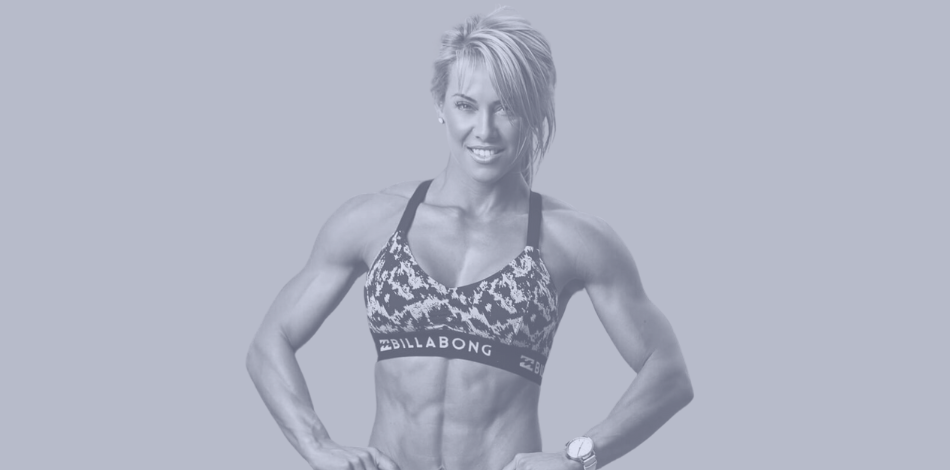
Hello and welcome to the Get Lean Eat Clean podcast. I'm Brian Gryn and I'm here to give you actionable tips to get your body back to what it once was, five, 10, even 15 years ago. Each week, I'll give you an in depth interview with a health expert from around the world to cut through the fluff and get you long term sustainable results. This week I interviewed dietician, author and nutrition and exercise science educator Ali Baxter As, an Accredited Practicing Dietitian, and Online Physique Coach. she brings her discipline and first hand experience as a professional athlete to empower clients to achieve their ultimate success through knowledge and dedication. We discussed her health journey and lessons through competing as a professional fitness model.
Brian (1m 23s):
We also chatted about how to dial in your nutrition to meet your weight loss goals. the problem with too much restriction, Holly's tips on losing those last 10 to 15 pounds. Her keys to hypertrophy training, and much, much more. Really enjoyed my interview with Holly. I know you will too. Thanks so much for listening and enjoy the show. All, right, Welcome to the Get Lean Eat Clean podcast. My name is Brian Gryn and I have Holly Baxter on Welcome to the show.
Holly (1m 49s):
Thank you so much for having me. Appreciate it.
Brian (1m 51s):
Yeah, all the way from hot Florida right now. Right? It's gotta be pretty hot down there.
Holly (1m 57s):
Stifling is an understatement. No one goes outside anymore.
Brian (2m 1s):
Yeah. Crazy beautiful here in Chicago, so you should be coming up north.
Holly (2m 7s):
You know what, I have not spent a whole lot of time in the northern parts of the US but I have friends up in that area, so I'll have to make myself Yeah. Find an opportunity to do it.
Brian (2m 17s):
You should. And come, come during the summer. Right? That's the best time
Holly (2m 20s):
I've heard.
Brian (2m 23s):
So, online, physi, coach, dietician, and you, and you're still training, are you still competing in fitness competitions?
Holly (2m 33s):
So, I am, I actually did two competitions this year. So I spent six months from January through to June, and I just kind of wrapped up for the year, I think trying to navigate that and starting new businesses. And we've just launched a new research review and we are publishing and we are trying. I mean, it's just, it's a lot. So I think I had to be really smart about, you know, when I put the gas pedal down and when I pull it off, because it really demands an extra ordinary amount of effort and we, you've already got that being applied in your career. It's really tough to do both. So I will be shooting for the Olympia probably next year. Mm.
Brian (3m 11s):
Is that every year or is it every other year? Olympia.
Holly (3m 15s):
The Olympia is every year. Yeah,
Brian (3m 16s):
Every year. How come? What got you, what got you sort of into physique coaching and, and training for these competitions? What, what sort of prompted you to start doing that?
Holly (3m 29s):
So, I wish that I had a really beautiful story. One that was all butterflies and rainbows, But. it actually stemmed from a really dark place. So when I was really young, I was pretty athletic. I did basketball running like my, I think my parents put us in every sport that was known to man. Hmm. And, you know, we were really competitive and I, I guess I was training for track sprinting and I, I guess that kind of led me to care about my diet and care about, you know, being strong and powerful. So we were doing a lot of like plyometric style training, you know, when I was even as young as 14, I remember being in the gym. So I, I went off and I knew I wanted to do something in the, the space of health.
Holly (4m 11s):
So I went and did my undergrad in food science and nutrition. I felt like I finished that four years and learned nothing or it needed to know more. Did a master's in dietetics and I guess that kind of cata was the catalyst into the world of nutrition. So I started off as a clinical dietician and I realized very quickly that was not the space that I wanted to stay in. Just a very unmotivated clientele. I think a lot of people didn't really want to improve themselves at all, which I struggled with a lot. you know, that mindset was quite different to the one that I had. So I kind of ventured out into, I guess, my own private practice and I was working with a lot of athletes. They weren't all, you know, professional bodybuilders, that's for sure.
Holly (4m 53s):
I barely knew anything about bodybuilding, probably up until the age of 23, 24. So I'm 35 now, just so the, the listener knows. But yeah, I remember working with this one young girl and she ended up saying to me, you know, that this competition's in Dubai. I, I don't think I'm gonna go anymore because the caliber of competition is maybe above myself, but you train all the time. Have you ever thought about doing that? And I was like, you know what? I haven't, but I like Dubai, so this might be a good opportunity for me to, you know, parlay a little bit of a business with my, like a, a new hobby. So I was already lifting and training pretty consistently, so it just allowed me to have another goal.
Holly (5m 37s):
So I actually had to compete at a local show and win. And then I had to get to Nationals win, and then I competed for Australia at the World Championships in a natural bodybuilding federation, which was the INBA or the PNBA and won. Wow. So I kind of, I've got the taste and I continued to do that for quite a few years. And I mean, I still do, but a lot has changed, I think, in terms of my mindset and my, my why. So I think the reason for getting into it was I, I had a lot of body image issues. I had body dysmorphia. I was struggling with an eating disorder.
Holly (6m 18s):
I had bulimia, I had binge eating disorder. And again, so much of that kind of stemmed from I think my childhood and having just unrealistic expectations of needing to be perfect all the time. And people pleasing And. you know, there was never any unconditional love, I would say in my household or how I was raised. It was very much based on performance or, you know, accomplishment or success. And there was a big emphasis on, you know, your appearances. Not just, you know, like beauty, but I think how you were portrayed and perceived. So I think I, I kind of grew up needing to feel some kind of like validation from people as a result of how I was raised.
Holly (7m 1s):
So I, I think when I first started bodybuilding, I was a very troubled young girl. I really wasn't, I think it, it was an excuse to continue some really poor behaviors and habits, and I never really addressed the psychology of why I was in the sport until it got to the point where I didn't wanna be this way anymore and I had to make some really massive life changes, you know, self-development and just a spiritual overhaul, so to speak, to get to this place now where I can do it. It's not my identity. I love it as a hobby, but it's, it doesn't define me. So yeah, that's how I got there. Sorry, long story.
Brian (7m 39s):
No. And you first started competing, was it 2015?
Holly (7m 42s):
Correct. Yeah. Yep.
Brian (7m 44s):
Okay. And so what, what has changed what, I mean, you talk about like the things you learned. What, what did you learn most about like yourself through the last, you know, five, 10 years that you sort of apply today?
Holly (7m 58s):
Well, I think I, I totally underestimated the importance of your, like, mental health and your psychological health and wellbeing. I think, you know, when you grow up very athletic and competitive, I, I think you kind of tap into the things that you're really good at. And I knew I was, you know, I had a lot of skill. I could apply myself, I could be very disciplined and I wasn't afraid of, you know, hard work, like physical hard work. And I, I appreciate, you know, some of those lessons from being, you know, a young person in sports and also just being pushed. But I, I don't think I knew any alternative. There was never any, it wasn't balanced with compassion, it wasn't balanced with self-care or kindness or any, any grace.
Holly (8m 41s):
So, you know, for the longest time, I think I really struggled to and maintain a certain image And, you know, a certain level of performance. And I just don't think that it was sustainable. So I, I think one of the things that I have really shift over the last maybe five years, and I, I started doing regular therapy, so it was actually as soon as I got to the US I basically dived headfirst into therapy. And initially it wasn't for the, I guess my, my low body confidence or for the eating disorder, it was just, I think I wanted some self-development, like a mentor. And, you know, the more time I spent with a therapist, the more work we did. And it kind of, you realize how much, you know, your childhood and your experiences bleed into your career and the person that you are, how you've been shaped.
Holly (9m 29s):
So I think that really enlightened me as to how important your mental health is. And, you know, I was suffering dearly in terms of my mental health. I was physically strong, physically fit, I'd say physically healthier, as healthy as you can be in terms of knowing about nutrition and knowing about exercise. But I really, I lacked a lot of, I guess wisdom, emotional intellect, you know, those types of things. So I, I really applied myself in that area and I feel like I'm a, a much more balanced human, you know, now at, at H 35. So yeah, I think I say to a lot of people, it's great to know and have knowledge around, you know, how to manipulate your body through nutrition and to accomplish, you know, a very healthy and strong like functionally fit physique, but don't deny the fact that there is this other, you know, part of you that is also entire entailed with your health, that it's really important to focus on that as well, because you can neglect that.
Holly (10m 32s):
And I know that was probably some of the worst years of my life. So yeah, I, I think those would be the main things that I've kind of shifted my perspective. I'm a lot more compassionate, you know, I know when to pull out the toolbox or when to go to my toolbox and pull out the self-discipline, the rigidity, the strictness, the hardworking, and I also know when I need to put it back And, you know, focus on other things. So I'd say I'm a lot more of a balanced individual now.
Brian (10m 58s):
Yeah. Well thank you for bringing that up. I mean, I think it's, you know, mental health is something that gets overlooked. I mean, I work a lot with males and they don't necessarily wanna talk about those things And, you know? Yeah. If you don't have that in line, I don't, you know, care like what you do around, I should say it, they all go hand in hand, right? Like, eating can affect your mental state, right? Sleeping can affect your mental state state, but yeah, you can't, you don't really want to neglect or go all in just on one when the other one's not being nurtured and, and improved, I guess.
Holly (11m 33s):
Yeah, absolutely. I think for, in terms of quality of life, yeah. I mean, I, I've worked with a number of males myself. I still do And, you know, I've, I've had some individuals come in that are, you know, type A OCD and I can tell they're extremely hardworking, dedicated people, but they're, they've almost become laser focused on optimizing their health and or they're thinking about longevity, but they're also thinking, oh, I wanna be mobile and flexible, and I also wanna be extremely muscular, but I also wanna be really strong. And then, oh, what about my cardiovascular fitness? And they're coming in so overworked and overwhelmed, And, you know, I kind of have to say to them, Hey, like, it's great that you're so committed to this health goal.
Holly (12m 14s):
I love that. But you know, to me it seems right now your anxiety and stress is nine outta 10, you know, and it's, it's, it's all a manufacturing of the thoughts and the narrative that you have. you know, we can, you know, dial that back a little bit and maybe give you some relief psychologically speaking. And that doesn't go without saying, you know, we, we obviously go through the, the motions with nutrition intervention and training, and there's lots of things that we can do to, I guess do concurrent training. But I think so many of us just set the, the standards so high, we're so hard on ourselves when I don't think we, we necessarily need to be.
Brian (12m 54s):
Yeah. And you see this with the, even with the nutrition space where people think more, or even in working out more is better. And I don't necessarily think that's true for a lot of things. And you see this like, people want to go to extremes and think they're gonna get their best results by going to extremes. You're seeing this like with just, I mean, for example, like cutting out certain macronutrient groups and just going all in on, let's just say carnivore. And there could be a time and a place for that and for some individuals, but like, I think people think that if they go to to extremes, they're gonna get extreme results or great results, where a lot of times that can backfire.
Holly (13m 33s):
Yeah, absolutely. And I'd say yes, congratulations. If you do, however, what have you neglected in the process because, you know, I think it's opportunity cost. you know, if you ever apply a lot more focus and effort in one area, usually something else is sacrificed. And I know for me, I've kind of gotten to the point now where, you know, I, I appreciate and value my career. I really appreciate and value the people in my life, any efforts to maintain, you know, good, good relationships and to, to have a good, you know, head of my shoulders. I've realized I can't always be, you know, the professional bodybuilder. And it's typically why I've only ever done one big show each year, because I know the psychological toll and the physiological toll that that has.
Holly (14m 17s):
And I also wanna be able to give to those other areas. So, you know, I think previously, again, if you go back to the version of me that was, you know, young twenties, you know, not really a, a logical, emotionally intelligent person, I thought that I should be able to do it all. You should be stage lean, year round. You should be striving for excellence in all areas. And that, you know, that means that you're 10 outta 10 on everything. But, you know, I think as we, we wisen up and olden up, you tend to realize that, you know, it kind of ebbs and flows back and forth and it just feels subjectively so much, so much healthier.
Brian (14m 54s):
Mm. Yeah. I, I was just thinking about like, I mean, to be like the best, right? There has to be some type of obsession around that. And that doesn't necessarily mean it's healthy per se, right? And that, that might get you that first place gold or metal or whatever you're doing. But you see this a lot with athletes. Like I'll just, I'm a golfer, so like Tiger Woods, right? Like just obsessed for so a such a long period of time throughout his life and he had no social li you know, and then you saw sort of how his downfall came where, you know, socially and everything. And then, you know, so anyways, yeah, I just think obsession can be good But it also, in the long term, it might not be necessarily the, the healthy way to go about living.
Holly (15m 41s):
Yeah. But I think you've also gotta think about individual values too. I mean, I use the example of like Olympic athletes, you know, what they do is so incredibly impressive. Or anyone that's at the top of their game, whether it's in sport or business or otherwise, you know, it's, it's admirable that they can be that good. But you have to think about, you know, what are the downstream effects of that much time invested mental investment, physical investment, you know, it usually means that there is probably a big flaw somewhere else in their life. And, you know, I think a lot of people, maybe not a lot, a lot, but there are some individuals where that lifestyle may work really well. For example, and I'll, I'll just go, come back to my sport.
Holly (16m 23s):
I work with a half a dozen or so, you know, professional bodybuilders, and they're single, they have no children. Their job is to get up and lift. They actually just make a very mediocre salary or an income and they have normal, you know, nine to five, 40 hour a week work obligations. That lifestyle only works really well for that type of individual with very few other interests. No other hobbies, you know, they're truly obsessed. I mean, for some people, you know, you can afford to live a certain way, but you know, I, I also have other clients that have competed and it's, you know, a full-time. He's got a full-time job. He's a, you know, high, high executive.
Holly (17m 4s):
CEO works 80 hours a week. He has three children, big family, you know, a wife who's, you know, looking, begging for some attention. you know, the kids are competing for a attention as well. And then, you know, they wanna do a bodybuilding show and I say, well, look, I can teach you like, and how to manipulate and get you to a place in the healthiest way possible with as much balance as we possibly can. But that doesn't mean it's gonna be easier or come without, you know, some pretty significant sacrifice because it's really hard. In fact, I think bodybuilding, And, you know, changing your physique to be the leanest version of yourself, And, you know, the most muscular is probably one of the hardest sports there are. If you think about any other sport who is compromising their calories, who is trying to do it with no food and no fuel, like no one.
Holly (17m 50s):
So, you know, it's a really hard sport. Like it's much easier for me, you know, and probably for yourself as well, working with athletes, golfers and, and alike, at least I get to fuel, well, you know, they feel great. They don't have compromised libido, they sleep wonderfully and maybe they get a bit stressed as they kind of lead up to their competition. But you know, they're not getting downregulation of all of their hormones. They're not becoming hypogonadal. Their, their mood is great for the most part. They've got good energy. It's just such a different dynamic working with caloric restriction and, and trying to build muscles. So I try to temper people's expectations.
Brian (18m 27s):
And you talk about caloric restriction. I mean, these are for individuals that are looking to get to a certain percentage of body fat, right? That's probably not sustainable for the long term, but so So they can compete and win at that, you know, that fitness competition, right? Is that, and maybe talk us through how process of how someone goes about doing that and maybe what things that could take a, like a negative role like, like you said, maybe, maybe thyroid or hormonal issues that come up and sleep issues that come up by, by, you know, being so extreme per se.
Holly (19m 2s):
Yeah, so I mean, look, I think there are definitely right ways to go about this. And I, I see it all the time on, on social media. There's a very wrong way. I mean, there's still still very much a bro mentality that exists and I, but I do think that social media has certainly played a positive role in helping further educate, you know, the average fitness professional and teaching 'em about, you know, nutrition, science as, and exercise science. But I guess the way that we do it, I'm a very calculated data oriented person. So you know, we're, we're looking at, you know, what's the ideal body fat percentage that they need to kind of get to for that division. And there are several different categories for bodybuilding, I guess for women.
Holly (19m 43s):
You've got your bikini, then there's fitness, then there's figure and physique and then bodybuilding and obviously something similar for the men. They will take out the bikini in the fitness divisions. They do not exist for, for men. But that kind of governs like, how much body fat do we need to get off this person So we can kind of look at their starting body weight, determine All, right? You might need to lose about 40 pounds in efforts to get to, you know, an ideal body composition for the sport. And then there's a bit of back calculation, So, we decide roughly when they want to compete. And that's usually based on, you know, their schedule, what have you got coming up in your life. If you've got any kind of big international travel or you're moving house or you're changing careers or anything super stressful, it's, it's usually not a good time to, to do a preparation.
Holly (20m 28s):
'cause it's, it's really hard So, we kind of work out how many weeks somebody needs to to, to obtain that kind of fat loss. And we tend to operate, again out of the principles of nutrition and exercise science that are coming through in terms of like the weekly rates of weight loss, you know, I tend to max out at about one to one and a half percent of somebody's body weight per week. But that's not always realistic depending on, you know, where the individual is starting at metabolically speaking. So just as an example of you have like a 200 pound male and they want to lose at 1% of their body weight per week. So they're gonna be losing, you know, two pounds per week when you do the math that would afford you the flexibility to lose that kind of weight per week.
Holly (21m 14s):
You would have to create probably somewhere in the realm of a seven to 800 calorie daily deficit. So, you know, if somebody's known maintenance calories or sitting at, you know, 2,500, I'm just throwing out an arbitrary number, you know, to bring them down sub 2000 to do that. Often it's just not realistic for them. And again, depending on somebody starting lean body mass or how much fat they have, you know, that can also be a pretty big influence on whether or not it's even feasible. So yeah, you know, we'll have people come to us all the time and say, you know, I'd like to lose weight for health reasons or for performance reasons or aesthetics. It's obviously a combination of three.
Holly (21m 55s):
And I'll have to say to people, okay, well we can certainly do this and it be safe. We're not going to put you in a position where your energy and protein, you know, is compromised or we are not going to risk a, a micronutrient deficiency by doing this and we have a calorie floor that we work towards But, it doesn't mean it's gonna be comfortable. So, you know, I'll tell them, Hey, does this number sound good to you? Can you stick to this? And they're like, oh my god, no. Or conversely, the amount of exercise that you'd have to do to burn an extra seven or 800 calories per day to achieve a two pound weekly rate of weight loss, you know, it would require them to find another hour and a half every day for more movement. And again, if you're working with the busy executive CEO, who's also got three kids, And, you know, a big social life, sometimes it's just not feasible.
Holly (22m 44s):
So we've gotta pull it back and maybe work at a more reasonable, you know, 0.4 to 0.8% of their body weight per week. So yeah, I guess we take people through, you know, a fat loss phase and we make manipulations to either the nutrition or training or a combination of both, but we employ something called flexible dieting. So basically you are assigned a certain calorie value that would make sense for your goals. We then calculate somebody's protein again within a range. And then the remaining calories, thankfully, and this is something that wasn't being educated when I was still in school, was that the remaining calories from carbohydrates and fats actually matters very little.
Holly (23m 25s):
So it's more about that, you know, energy balance, calories in, calories out, that really is what governs, you know, the success of that fat loss phase. But you know, as you go through these fat loss phases, I think it's important to kind of consider the symptoms because ultimately some individuals might be able to do 15 weeks of dieting, their relatively low risk for losing lean tissue, and that would be a person that has a slightly higher body fat percentage when they start, versus somebody that is leaner when they start a cut, they would be automatically a higher risk for losing lean tissue. And that can also then speed up the, the rate which they experience symptoms. So you had asked, you know, what are some of the negatives that you might, you know, come across as you're dieting?
Holly (24m 9s):
Sleep disturbances is I guess, one of the first signs, not to mention hunger. So people have a hard time falling asleep and then they're easily woken. So the quality of people's sleep becomes quite disrupted. And interestingly, there have been some studies that show even a, a change of say 30 minutes to your seep sleep wake cycle. So your circadian rhythm that actually negatively influences our appetite regulating hormones. So leptin and ghrelin, they start to move in the wrong directions, signaling hunger, and thus it makes it more difficult then to adhere to your calorie goals. So, you know, I've had clients that will tell me, well, I wanted to be distracted. I didn't wanna be sitting around at home all day in the evenings.
Holly (24m 50s):
So, you know, I'd go out with friends and entertain myself and I'd say, well, what time are you going to bed? And they're like, oh, you know, we get home at two o'clock, but I was really happy. I had a good time, I wasn't eating. But then I'll say, how'd you feel the next day? And they're like, yeah, my appetite was really, really high. And I mean, there is a known like a hormonal change that happens when our sleep is disrupted, making it harder to adhere, not to mention the potential influences that can also have on hypertrophy adaptations too. I mean, if we have disruption to our sleep, there is actually blunted signaling when we go and lift. Still good to lift, it'd be better than not doing anything, but we know that those sleep disturbances can contribute negatively to, to muscle growth.
Holly (25m 33s):
But yeah, I think I mentioned before, I mean drop in libido for a lot of men that I've worked with, you know, they're moving into this hypogonadal state, they have no no or very low testosterone levels and they don't feel very good. Mood is another one. I think depression and just feelings of overwhelm tend to be a lot more prevalent in people that are cutting and doing it for continuous periods of time. I guess performance detriments is another one. you know, if you've got somebody that's really interested in maintaining like peak strength or peak conditioning, you know, as your calories become lower and lower to continue losing your subjective experience of that session often goes up, so your rate of perceived exertion is higher and your load selection might actually start to fall.
Holly (26m 19s):
Now sometimes that is a reflection of just subjective energy levels. If you've got low calories you don't feel like you can push. But if you're dieting too aggressively, again above those rates that I talked about before, you can actually start to experience pretty significant lean body mass loss. And that does compromise not only your strength, but that's also one of the, the governing factors that would keep your basal metabolic rate nice and high. So, you know, if you are losing lean tissue, your body no longer requires the same amount of calories to perform that same training session and it makes it more and more difficult to actually continue to lose.
Holly (26m 60s):
And not to mention, you know, it can mean that your caloric intake becomes very, very low. And then there's also the adaptation component as well, and that's pretty significant when we diet. So I think there are a lot of negative things, but I think Instagram and other platforms, social media in general would create the illusion. Like you can just walk around and have a six pack and be super shredded all the time. But I mean, And what, what people don't hear are some of the negative things. I think I've been pretty, pretty, I guess prominent about sharing those in every competition that I've done, just to make sure people understand.
Brian (27m 40s):
And, and I noticed you also created or co-founded a, is it bio Bio fitt and Bio Brainin? Did I say that right?
Holly (27m 50s):
Almost beer BeerFit beer brain. Okay. Beer body, yeah, we have I guess the slew of beers. Yeah.
Brian (27m 57s):
Yeah. And maybe explain what those are. Is this something that you worked with? I know Lane Norton obviously was an influence on, on like, you know, your health and fitness goals. Is that someone you worked with or,
Holly (28m 11s):
Oh yes. So I was actually married to him. Oh,
Brian (28m 14s):
Okay.
Holly (28m 15s):
Yeah, So, we were married from 20, we married in 2019 and we only recently divorced actually. So that's an interesting story. But yes, he obviously for that reason by way of marriage, he was definitely an invo, an influence in my life. So yeah, we, we built I guess all of the companies together. We had several businesses and I guess as part of our settlement, I kind of stepped away. Obviously all of our businesses were branded with his name, you know, so I, I took this as an opportunity to start an all female team and to kind of move in the direction that I think I'd always wanted to. And I often felt, you know, our personalities are very, very different's, like the compassionate kind, and then the go home or go or die personality.
Holly (28m 55s):
So it was really fun actually to kind of start be a body, which is my coaching team, So, we have an all female team, we specialize in women's health and we have quite a few different areas of expertise. So we've got, one of our coaches actually does not take on clients who have any aesthetic desires to change their body comp. She's really about helping people step away from macro tracking that may have developed some dysfunctional behaviors and relationships with food through, you know, very rigid restrictive dietary practices. So she's kind of moving them towards mindful eating and just trusting your body again, and not having to rely on a tracker.
Holly (29m 37s):
And again, that was one of my products. I mean, we had a nutrition coaching app, so I'm in the middle of getting, I guess, bought out of my shares of that business, but I, I still can sit in the middle and say, look, I see benefits to both, not everybody has a dysfunctional, you know, relationship with food. you know, some people want to change their body composition, not for the aesthetics, but they've, it's very much performance orientated, you know, that's the, that's the why they wanna maximize their performance. So tracking macros, And, you know, manipulating macronutrients or even changing their body composition has benefits for the sport. And then also, you know, there are still some people, it's medically necessary to change, you know, their body composition. They've got, you know, morbid, they're morbidly obese and they, they've never really paid attention to their diet or how to move their bodies.
Holly (30m 23s):
So, you know, we, we've got coaches that obviously focus on that and menopause. And then we've got a physical therapist, obviously me background dietician, we've got eating disorder specialists, you know, we've got, got everything. So that is, that's be a body. And then be a fit is our training application, which is available on Android and iOS. and we also have Be a Brain, which is a brand new, I guess, line of business for us. I recently started that with my partner Dr. Samuel Buckner. So he's a PhD in one of the professors at University of South Florida. He's a, a phenomenal researcher. So he and I are now, what's his
Brian (31m 2s):
Name? His name, I'm sorry, what was his name?
Holly (31m 4s):
Dr. Samuel Buckner.
Brian (31m 5s):
Okay, got it. Yeah,
Holly (31m 7s):
So we, we basically review four different research articles every month. Two of them are in the area of exercise, two are in the area of nutrition. It's got an audible format. and we just try to break down, you know, research, heavy research into the most simple, easy to understand, you know, methods and ways that we can, and we practical, you know, takeaway. So what we talk about here, how does this change your supplementation regimen? How does this change your training? you know, approaches, what do you, what does this do or mean for your nutrition? So that's been a really fun project to work on. So yeah, they're, they're the beers. There will be more.
Brian (31m 48s):
Yeah, that be a brain looks really cool. And that's a lot of research done on your part, right? And sort of diving into the studies, which most people don't like to do. Is that something you enjoy?
Holly (31m 57s):
It is, I think I, if I didn't have to fuel my body and eat and live, I would probably not be doing anything for any kind of income. It would probably be, you know, to live a life of learning. I'd probably do multiple different areas of research. I, I think I'll be one of those people. And I know there's probably lots of people listening that are just like, that they really love learning about, you know, lots of things. So yeah, I like it. I like writing. I actually hate filming and doing video. Oh. But I guess that's part of, part of being, I guess a, an influencer now if you're not, I used to just do captions and I think so many of us would write and we'd do, you know, stories and things like that, that And now it's, oh no, if you don't, don't keep up with the times, right?
Holly (32m 44s):
So that's been a big transition I think for, for us
Brian (32m 48s):
And. what are some of the things that like, you know, like practical advice that you give to just a general population client that's maybe not trying to train, but let's say they wanna lose those last 10 to 50. I know this is, you know, could depend on the individual, but you know, I see quite a bit of, you know, middle aged males in particular, maybe they're in their six fifties, sixties and just like that, that last 1520 pounds, trying to navigate that and, and, and get down in visceral fat. you know, what, what, what were some practical tips would you give for that individual?
Holly (33m 26s):
Yeah, sure. I mean, gosh, they, they're probably not a whole lot different to what I would recommend to women anyway. Yeah. I think there are not that many, you know, biological sex differences. That would mean we need to make ma major changes between dietary approaches and training approaches for men and women. But I will say, I think for a lot of the men that I have worked with, they're aware of the fact that protein is important, but I tend to see both extremes. I see some men that are coming in and their protein intakes are absolutely dismal. They've never made a priority and they don't know how to cook. So I think, you know, educating 'em about here is the recommended reference range for protein. It is, if you're talking in pounds, I like to use the numbers one to 1.3 grams of protein per pound of lean body mass.
Holly (34m 13s):
If you're working in kilos, I'm obviously from Australia, it would be 1.8 to 2.9 grams of protein per kilogram of lean body mass. And I'd say you can pick a number anywhere within that range, But, it doesn't have, you don't have to be dogmatic about it, you know, I, I used to be, but I felt like, you know, especially if I was trying to lose a little bit of weight as my calories would come down, you know, I'd try to keep my protein as high as I possibly could because you know, I'm gonna wanna get all the gains But, it was coming at such a consequence or a sacrifice of my carbs and maybe my fats that I didn't feel like I had any balance with my meals. I really wasn't enjoying what I was eating anymore. And I think the consequence of that was I would do really well for short periods of time and then this is pre, you know, recovering from my eating disorder.
Holly (35m 2s):
I would find myself just binging and gorging on the things that I had sacrificed. So, you know, my philosophy has actually changed quite a bit over the years. It's a range for a reason. Now, if you're over the age of 40, I think strive for the top quarter or the, the top third, that would be great. But if that is costing you your mental health and you're finding like you end up just kind of going through these binge restrict cycles as you are dieting, then I think giving yourself flexibility within that protein range so that you can build out, you know, meals that feel good and that you enjoy. So I think high protein is one really important factor, but I've also seen men coming in from the other end of the spectrum too.
Holly (35m 44s):
They know about protein and they're just way overshooting it unnecessarily high. And it might be contributing to elevated LDL levels if they're eating it mostly from animal-based proteins or other dairy, which is pretty common. Their saturated fats end up being very high as well. And, you know, we know that the saturated fat requirements are about 7% of your total daily energy requirements. And I was seeing gentlemen and, and men and women too, where their total saturated fats were, you know, creeping up into the twenties or thirties and it was at the expense because they were trying to shoot for this unrealistically high protein target. and we just uneducated about how to create, you know, lean protein choices into a meal.
Holly (36m 27s):
And I think beyond protein resistance training is obviously an obvious one, but again, i, I don't think you need to be dogmatic about it. you know, the more muscle you have, the more energetically costly it is to maintain and that carries over to, you get to eat more calories, you get to have and enjoy more of the things that you like. If you've got a more muscular physique, Now, I, I think there's always a tipping point. Too much muscle probably isn't a good thing for longevity, but some muscle is good and it keeps, especially if you're, you know, staying strong with that kind of training. So I think resistance training is really important and it will also help if you do want to shoot for the last 10 pounds of body fat loss that are kind of keeping you in an unhealthy place.
Holly (37m 12s):
Maybe you've got some blood work that's not, you know, in the best place and you'd like to see that improve. I, I do really think that there's some massive benefits to getting your lean body mass up because it will allow you to diet a little bit longer. So imagine this, you've been, you know, struggling to lose body fat. You've got a certain body fat percentage and every time you finish the cut, you kind of get down to this really difficult gnarly place you don't wanna be because it's hard now, if you were a, yeah, 10 more pounds of lean body mass on your frame, you can do the same cut, you can do the same program, it doesn't take up any more time of your life. You do the same four day split, you do the same three days a week of cardio, you know, maybe you do something else, a team sport, your body now is burning substantially more calories just to function so it's not a bigger time commitment.
Holly (38m 4s):
But now you're able to travel a little bit further in that fat loss phase and potentially on higher calories. So subjectively it feels a little bit easier. Your meals are a bit bigger, so don't undervalue the benefits of putting on a bit more muscle. And that also requires you to take a bit of time out of the, I guess, diet mindset. We know based on research, the speed at which muscle grows for a natural individual is so slow, it's actually disheartening. Mm. Most of the studies are that are carried out in resistance training, trained and untrained men and women are typically eight to 12 weeks. and we see somewhere in the realm of say 0.2 to 0.3 of a centimeter of muscle thickness growth over that timeframe.
Holly (38m 51s):
So I mean, you only have to look at your little pinky finger to see, well that's probably about a centimeter. We're talking 0.2 to 0.3. Wow would be the average thickness you would see in muscle growth. Or if we're talking, you know, total lean body mass growth, assuming you were doing a really even full body program, four to 8% increase in lean body mass over a 12 week timeframe is probably what you could expect to see in terms of muscle adaptation. So when you do that math, it sounds really sad, but if you can back that up for, you know, 24 weeks, 36 weeks and don't think about dieting, you know, during that timeframe you have a really good opportunity to, you know, improve your metabolic health, thus then you're in a better position to actually kickstart that fat loss.
Holly (39m 41s):
So yeah, I think those would be the two, two main things. There are obviously so many other variables, but I also don't wanna speak about just this the whole time. I'm probably gonna bore bore you and your audience.
Brian (39m 53s):
No, I mean they've heard it like prioritizing protein, right, with each meal and then, and then resistance training, you know, as far as resistance training is concerned, do you, when a individual's maybe well trained or untrained trying to build hypertrophy and And, you know, build muscle like you talked about at that rate, do you try to stay in sort of that like a rep range or are you not so dogmatic about that?
Holly (40m 19s):
Yeah, so great question. I think there's a lot of confusion around what's optimal from muscle growth. So I think I'll start by distinguishing the difference between training for hypertrophy and training for strength. If you are training for a hypertrophy, it is recommended to stay eight reps and above that way you're actually targeting the specific muscle. You're able to load it effectively, you're able to take that muscle and all the motor units completely too fatigue. And you can do that through a very wide range of rep ranges. In fact, we write about this in our book. There are studies where number one, no load training. So you know, you'll have a couple of different groups of participants and they're literally just flexing doing a bicep squeeze.
Holly (41m 4s):
So it's like, you know, no way as a metric training, they're just squeezing and they do it for several reps, they, as long as they take it to failure, you still see similar growth adaptations as, you know, the resistance trained studies where somebody's, you know, going through the actual motions of doing a bicep curl for a certain number of reps. And there have been studies all the way up to 90 repetitions for a set where you achieve similar growth adaptations. Now that's not me saying you should go and do that. It's probably a very inefficient way to train. It would be, imagine how long that'd take you
Brian (41m 35s):
To get through your training. Yeah, yeah. You got up. Yeah, 90 repetitions. I was thinking you were gonna go up to like 30. I thought I, I thought I heard like in the 30 range, but maybe, yeah,
Holly (41m 44s):
Well yeah, there are, there is. We write about it in my book. There is a study here, the University of South Florida that literally did that. So I, I don't think that's the most efficient way to train. It's probably why for the most part, you know, 12 to 15 to 20 is probably the most efficient way to train. Yeah. So yeah, in terms of repetitions for hypertrophy, that's what you wanna be doing. If you start to drop below eight and you're working that one rep max through to, you know, 6, 7, 8, now you're working more strength. Now that's not to say that you won't get any hypertrophy adaptations. We do see that in the literature where you've got one group that's just doing one rep maxes versus another group that's doing, you know, mostly hypertrophy.
Holly (42m 24s):
You'll still be able to see some hypertrophy from the strength specific group. But what we don't see when we compare resistance based rep ranges, or sorry, hyper hypertrophy based rep ranges with strength rep ranges is the strength adaptation. So it would indicate that in order to get strong at a specific mu in a specific muscle group or at a specific exercise, you do need to stay in that low repetition range and with heavy loads. and we kind of speculate that, you know, when you're training in those loads, the, the limiting factor for why you don't get better muscle growth is it tends to impact all of the soft tissues and the joints and the ligaments.
Holly (43m 6s):
you know, they end up, you know, being the limiting factor to doing more reps. So technically speaking, your muscle isn't ever really getting an opportunity to get to failure. you know, it's actually everything else that's kind of falling up short and that's great, the neuro adaptations for strength, but it's not optimal for, for muscle growth. Hmm. So yeah, that's, that's my, my spiel I guess on repetition ranges.
Brian (43m 31s):
Yeah. I mean, I think the average individual would think, God, you know, I'm, I'm, I'm lifting heavier with less reps, you know, how am I not, you are, you can build muscle that way, right? But, but that's more for strength and, and let's say like power as opposed to like eight to 12 rep range where it's mainly more focused on, you know, hypertrophy and, and, and you know, getting gains, you know, from muscle. Yeah,
Holly (43m 55s):
Absolutely. Yeah. You, you probably won't see the same kind of hypertrophy response doing strength specific training. Right. you know, I've done season, I've done power lifting in my kind of non bodybuilding season and my strength has gone up like incredibly, but I also saw very little muscle growth adaptation during that timeframe. But, and I was truly doing strength reps. There was not a single exercise that I was doing, you know, above six reps. So, you know, it was insignificant changes over the course of night. We we're talking me measuring like muscle thickness through ultrasound at like week one through to week 24. And, and you see this in the literature as well, but yeah,
Brian (44m 30s):
Do use dexa do you use DEXA scans? Sorry to interrupt you.
Holly (44m 33s):
Yeah, I, I do that. I think that's a really practical way for people, you know, the general population to kind of keep an eye on their lean body mass. I think the only implications there are that just making sure if you're going to have a DUM, that you're able to follow it up on the same machine and under the same conditions because they're two compartment models where they just measure fat mass and fat free mass, fat free mass is a combination of your hair, skin, nails, bone organs, skeletal muscle tissues, obviously another one of those components. But so is water. And unfortunately, you know, if you are training manipulative than another, you know, maybe one day you go in extremely well hydrated, maybe you just finished a long run and you guzzle down a couple of gallons, you might end up having an artificially elevated lean body mass measurement.
Holly (45m 27s):
Whereas if you go in another time, you know, and you're very dehydrated, you've been laying on the beach, you know, in Florida for the weekend and you've been drinking alcohol and you're terribly dehydrated, that will tell you that you've lost lean tissue. And I mean, I have clients all the time who say, what's going on? you know, I've just done 12 weeks of a build and it doesn't look like I've made any changes. And I'm like, well, did you do this? Or, you know, they'll, they'll have, they'll have done a crazy high training volume program, maybe a six week mesocycle And, you know, the very last day of their, their training mesocycle, they've gone in and had their DEXA scan done, and they're so inflamed they walk in around like a, a water, a watermelon, you know, and that's obviously the acute response to training and it, it's really inflated their baseline measurement and then, you know, they go off and do this building program and then they come in under different circumstances and it looks like they've lost muscle.
Holly (46m 21s):
I'm like, please, no, don't stress. So yeah, I think just knowing how to, how to do all of these things properly is important.
Brian (46m 29s):
Yeah. And a thought came to my mind as far as, have you ever run into a client where they've restricted to the point where they're actually like putting on weight? you know, maybe, you know, like, like you talked about metabolism, you know, I think if you restrict for such a long period of time, you know, your body starts to just hold on to fat and, and so they're sort of getting reverse results of what they think they would get by doing some type of restriction. What are your thoughts around that?
Holly (47m 2s):
So I, I think I'll take a step back and just maybe talk loosely about, you know, let's, chronic chronic calorie restriction will lead to metabolic adaptation. So, you know, your systems, your self-defense system really ramp up and everything starts to down regulate. We become more efficient. It's like you go from being in the macro truck where you can, it guzzles fuel left, right and center to like the eco car that, you know, can go very far on very little. So, you know, that is a true phenomenon, but there is usually a reason, you know, why somebody would gain BO if it's true body fat. Like if we can say we've put you on a, you know, some kind of a, a DEXA or you've had some kind of body composition measurement that's saying yes, you put on like a lot of body fat that would indicate that their calor, their energy balance is currently positive.
Holly (47m 51s):
So they're either eating too many calories for their current metabolic requirements. And that might happen in a situation where somebody has crashed diet and so many times over and over to the point where they've lost a lot of their lean tissue, now their BMR has come down, And, now they're still eating the same amount of calories, but now those calories are more than they actually need. So, and then, you know, if there's any little fluctuations in their activity levels from, you know, one week to the next, you know, you, you might start to see some positive changes. But, it would have to be pretty consistent to see a lot of body fat come back on. But I think we look really closely, you know, with our one-on-one clients at a lot of data So, we will observe dietary fiber.
Holly (48m 38s):
We'll look at sodium, we're looking at training volume in pounds or kgs, we are looking at menstrual cycle influences, I guess recoverability sleep. And often there is a clear or a distinguishing factor as to why their weight might be going up. And I'll give you one example. I've had many clients just this year who have decided finally to do a build and I've just kept their calories right around where they were when they came to me and they're like, yep, this is a good number. And I've said, okay, well I want you, let's try and put some muscle on. And they are, you know, over the course of several weeks, their weight has continued to go up, but the calories have stayed the same.
Holly (49m 22s):
And they're like, why am I gaining body fat? And I'm like, hold on, it's not actually body fat. Remember what we talked about in terms of the inflammatory response to resistance training? you know, we've got a six week program, we knew it was gonna be tough and we've progressively overloaded them. You know, the intensity every week goes up, or as the training program progresses, the volume is becoming more and more. As they become more and more experienced, they can handle more load. And that usually results in pretty like permanent inflammation. Like a lot of that weight shift isn't because their calories have changed or they're putting on body fat. It might be seven pounds largely due to just increases in total body water because they've been putting in so much work in the gym.
Holly (50m 3s):
Like they are truly a watery human because of the trading. And that can also happen when someone starts fat loss. So they'll, we'll be cutting their calories and they are doing the work. Like I'm monitoring all of those metrics. Fiber hasn't changed, sodium's pretty consistent week to week. So that's not influencing it. And their, their weight isn't changing. In fact, it might've gone up a couple of pounds over the first 10 weeks of a diet to start off with. They feel a bit disheartened. But I'll say to them, look at the difference in your training volume from where you were when you started with me to now you're, you went from doing one to two training sessions, very little cardio. You're now doing three to four days of some kind of, you know, cardio. You're doing four resistance training sessions, your volume is up, you know, it's probably a contributing factor from, from fluid.
Holly (50m 51s):
So yeah.
Brian (50m 52s):
Do you find that, I know you don't necessarily preach like low carb, but if you ever worked with someone who has been low carb or done a lot of fasting, that they, they're sodium levels, they're, they come in dehydrated and once you start introducing carbohydrates, perhaps they're putting on weight simply because their body's, you know, retaining more water and sodium. Yeah. Oh
Holly (51m 17s):
My god. Yeah. That's another really important factor. I think it's, you know, why some people that'll start a ketogenic diet, you know, they've always done carbs and they'll experiment with keto and all of a sudden the first couple of weeks they're like, oh my God, I've lost 10 pounds. This has never happened before. I'm like, yeah, it feels good having no glycogen in your muscle, doesn't it? you know, and that's, that's what's contributing to the scale changes. Sure. They're probably losing some body fat as well if they're in a deficit. But yeah, you've gotta think about the role that carbohydrate plays in your total body weight on the scale. you know, if you've been dieting for a long time and you've got empty, you know, muscle glycogen and then, you know, you start to reintroduce a little bit of carbohydrate, even if it as, even if that amount is perfect for their fat loss goals, as their muscle glycogen stores fill back up, they also are stored with about two to 3M of water per one gram of glycogen that's stored.
Holly (52m 10s):
So naturally you see somebody's weight increase with with that, but it's not bad weight, it's just glycogen and water. So yeah, I think just kind of monitoring people's or managing people's expectations when manipulating carbs, because it does have a big influence on the scale. It's usually somewhere in the measure of like one to 3% of somebody's body weight. Can it be influenced by glycogen of water alone?
Brian (52m 35s):
Yeah. I, I also like to ask guests that come on, like, about routines. I'm a big routine guy. What's like a typical day like for you, Holly, like a routine morning, evening?
Holly (52m 47s):
Well, if you asked me this week, I'd say yesterday, Thursday was my first day of going, getting to the gym. We had, we've had a really busy week with projects and deadlines. So I get up in the morning and I walk every morning. So I do about 60 minutes or recently I've brought back running again as it, it, I haven't done it in a long, long time. And I live right on the water. So I was like, you know what? You need to start doing this. Yeah. So yeah, run gets, get outdoors, get some light exposure, you know, it's good for your mind, good for your heart. And then I will always try and get some kind of resistance training in about four to five days a week usually. Okay. But, you know, as a busy person, it doesn't always happen like that.
Holly (53m 29s):
I had a whole year going through a divorce where maybe I got into the gym two times per week, just kind of navigating, you know, starting businesses again. So, yeah, I, I like to get some movement and yeah, I guess eating, that's
Brian (53m 42s):
What, I guess eating. What's your, what's typical eating? I know it depends probably what, what stage of your cap comp competition is, is, you know, gearing to, but
Holly (53m 51s):
So nutrition wise, yeah. I'm actually somebody that chooses to intermittent fast, not because it's inherently better. I have irritable bowel syndrome IBS. So for me, because I usually train in the mornings, if I eat food, I generally don't like to have like a full sensation in my stomach. I would rather do that in a fasted state. So, and it doesn't seem to impact my energy levels or my performance. But for somebody else, you know, I work with plenty of people, like if you, you can pay me enough to not eat something in the morning. So yeah, I intermittent fast up until about 11 or 12 typically. Or I might have something really small just to hold me over through my training session.
Holly (54m 31s):
But yeah, I usually have two or three meals. I have a protein source with each of them, a good variety of different carbohydrate sauces, sandwiches, grains, bread, cereals, fruits, veggies. And
Brian (54m 44s):
If you were, if you were gonna splurge on one thing, what would you splurge on?
Holly (54m 48s):
Oh, I feel like I splurge every week. I, I don't have, I don't have any foods that are off limits. I mean, weekends we're going, I eat out at a restaurant most weekends. So Friday, Saturday, Sunday, So, we have our cocktails, we have, we love steakhouses breads. I'm a big fan of ahi, tuna, scallops, seafood, burgers, everything. I, I think, but we, we, we include that as part of my regular diet. So it's not, not something that I would say is like a cheat meal, but in all of these foods, they all have calorie values, so, you know, they can probably fit within your, you know, requirements. So yeah, I kind of tend to ebb and flow, you know, back and forth between a, a range of calories.
Holly (55m 29s):
And I try to prioritize my protein as often as I can, but I'm, I'm not so dogmatic that I don't give myself flexibility to, you know, go and have a few beers or a couple of cocktails or some wine, you know, on the weekends. I think it's important to do that, to keep a good, healthy relationship with food, because again, I had a disorder, an eating disorder for 10 years of my life. So I've been very conscious about keeping all the things in. So yeah, I'm a foodie at heart. I love all food.
Brian (55m 56s):
And do you still track like caloric intake or, I mean, I, I've done some tracking myself and I feel like once you get a, I'm a pretty boring eater. Once you get an idea for like a week, I feel like you, you know, then you can sort of go from there. And
Holly (56m 9s):
Yeah, so again, it depends on the season of my life. Yeah. So like I said, I've just been doing six, the last six months for me has been bodybuilding. So I just, I did states, nationals, and then my next show, I'm gonna give myself a bit of a break, will be the Olympia, hopefully. But yes, to do that because it requires an extraordinary level of leans. And I think I got down to about 8% my last show. Yes, I do track. I think it's the, it gives me the most amount of flexibility whilst having a ceiling for my calories. So yeah, I'm a lot more organized and okay, if I wanna go out on the weekends, And, you know, splurge a little, have steak, have bread, have wine, I kind of know I can track and see what that would cost me calorie wise, protein wise.
Holly (56m 56s):
And it allows me then to kind of plan the rest of my meals for the day so that I can do that. And I calorie cycle, so some days are low, some days are high, and that might be to facilitate, you know, a bigger training session. But most often it was, I wanna go and have a social life, so I'm gonna do two or 300 more calories on the weekends and I'll go a little bit lower. During the weekdays. I'm pretty busy, so I don't think about food so much. But yeah, I definitely track, I mean, I had a tracking, a coaching tracking app, and we are working on a new one right now. So, yeah, but I don't, I actually, I don't track when I'm not competing. So right now I'm stepping away from that, but I'm still very mindful and I guess aware and intentional with the foods that I eat. Yeah.
Brian (57m 35s):
And I just noticed you do, you're, the book you were talking about was that guide to muscle hypertrophy.
Holly (57m 40s):
Yeah. Yes.
Brian (57m 40s):
Yeah. Okay. That's awesome. I'm gonna have to check that out.
Holly (57m 43s):
Oh, that's, that's great.
Brian (57m 47s):
Well, this was great, Holly, I'll leave you with one last question. What, what, one tip, and we talked about it already, but maybe you'll, maybe you'll come, if you were, if you were gonna tell us an individual, let's say someone was getting on a journey to weight loss. What one tip would you give that individual to get started to help maybe get their body back to what it once was?
Holly (58m 5s):
I'd say number one, starting with don't be a zealot. Don't subscribe to one way of thinking. One, launch it because there are a thousand different ways that you can accomplish your goal. As I always say, there's many roots to roam, not just in nutrition, but also training. There are a lot of ways that we can have great success. So if you find yourself feeling like you're subscribing or becoming bias, check yourself and recognize that there is lots of flexibility. But then I think number two, give yourself some grace, some compassion, and just recognize that we all have limits. I think I used to think I was a super, a superhuman and I would never give myself, you know, any kind of riggle room, but that's not life. You're not living if you don't and cannot enjoy yourself.
Holly (58m 47s):
So when you have a goal that, especially if it's related to aesthetics or changing your body composition, it's hard. So appreciate that for what it truly is. And I say that as a professional bodybuilder, but, and give yourself some grace. you know, if you've got family, if you've, if you're also passionate about your career and you've got other hobbies, you know, things that you enjoy, you know, that's what makes life so special. So yeah, I think be, try and think about it from a sense of or perspective of balance.
Brian (59m 14s):
Love that. Love that. Well, thanks so much for coming on Holly. This was great.
Holly (59m 19s):
You're welcome. I appreciate it.
Brian (59m 21s):
You gotta come. If you come up to Chicago over the summer, let me know.
Holly (59m 26s):
I shall, I've, I've been told I need to go.
Brian (59m 28s):
Yes, you should. And best place for people to find you.
Holly (59m 32s):
My Instagram and my YouTube channel, Holly t Baxter, you'll find me on both of those places and you'll get all the Links to all of our products and services there.
Brian (59m 41s):
Excellent. Well, thank you again for coming on, and yeah, enjoy the rest of your day. Appreciate it.
Holly (59m 47s):
Thank you. Thank you so much.
Brian (59m 51s):
Thanks for listening to the Get, Lean Eat Clean Podcast. I understand there are millions of other podcasts out there and you've chosen to listen to mine and I appreciate that. Check out the show notes@briangrin.com for everything that was mentioned, In, this episode. Feel free to subscribe to the podcast and share it with a friend or family member that's looking to get their body back to what it once was. Thanks again, and have a great day.