Brian (0s):
Hey everyone, Welcome to the Get Lean Eat Clean podcast. My name is Brian Gryn. I hope you had a great weekend, and today I'm going to share with you a video I just did regarding Dr. Ray Pete and his core philosophies around eating, around optimizing thyroid function, minimizing polyunsaturated fats, supporting glucose metabolism, and reducing metabolic stress. I recently did this on my YouTube channel and I thought you would enjoy this. And if you are looking for some one-on-one support, I will leave a link in the show notes and you can set up a 15 minute health breakthrough call with me and we can get you going on the right track. So have a great rest of the day and thanks so much for listening.
Brian (43s):
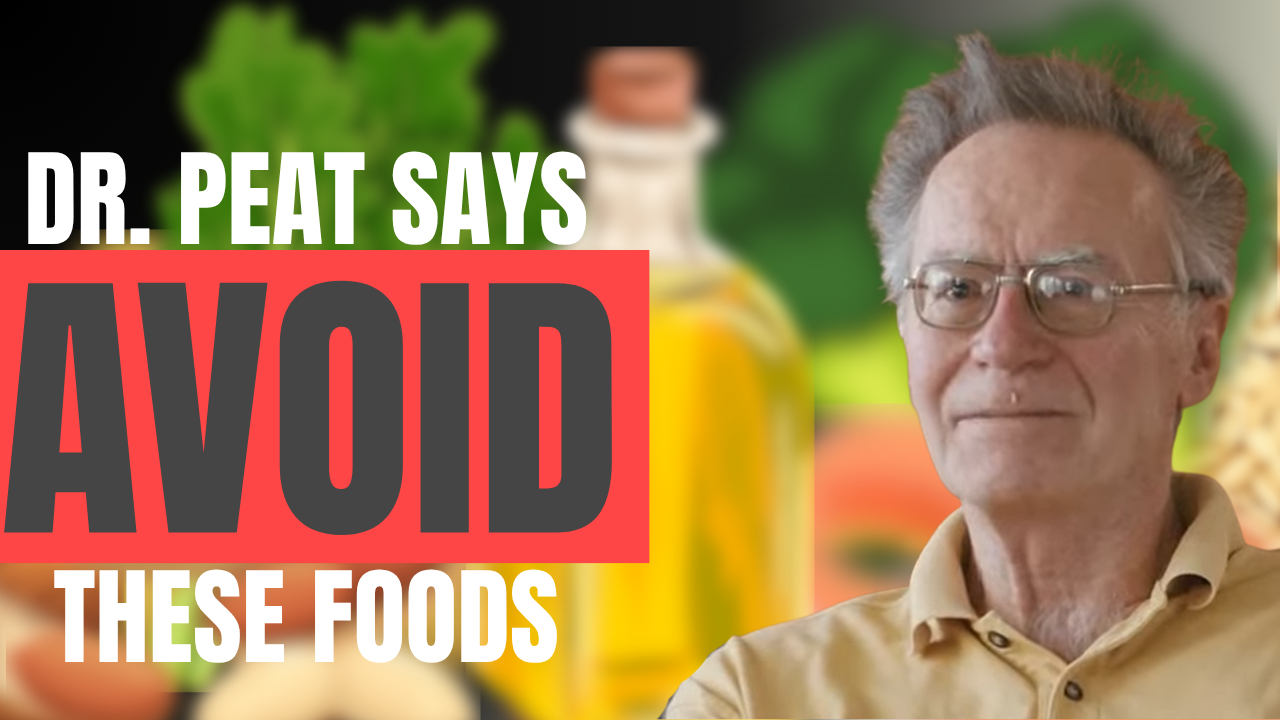
What if everything you thought you knew about healthy eating was backwards? What if sugar isn't the enemy and saturated fat is actually good for you? Well, Dr. Ray Pete, a biologist with over 50 years of research created a diet that flips conventional wisdom on its head. His follows report incredible improvements in energy, sleep, and metabolism by eating foods that most mainstream media cause unhealthy. Well, today I'm gonna show you exactly how to build a Ray peak diet transition safely, and why this controversial approach might transform your health. So who exactly was Dr. Ray Pete and why should you listen to him over mainstream nutrition advice?
Brian (1m 23s):
Well, Dr. Ray Pete wasn't your typical nutritionist with a PhD in biology, he spent decades studying cellular metabolism and discovered something shocking. Many health foods actually slow your metabolic rate and could increase your stress hormones. His revolutionary insight, your diet should support cellular energy production, not fight against it. Here are the four pillars of Dr. Pete's approach. Number one is to optimize thyroid function. It's your metabolic thermostat which needs glucose and adequate calories to work properly. Number two is minimize PUFAs, which are polyunsaturated fats, vegetable oils, and excessive nuts can create inflammation and suppress thyroid function.
Brian (2m 8s):
Number three, he talked about supporting glucose metabolism. Your brain and organs prefer glucose as fuel, not ketones. Number four, reduce metabolic stress. Choose easily digestible foods that don't burden your digestive system. Well, now that you understand why pizza approach works, let's get practical. What foods should you actually be eating? Well, here's the Ray Peat food hierarchy. Eat liberally dairy products, things like whole milk cheese, yogurt, ice cream, rich in calcium, and easily absorbed nutrients. Lactose provides ready glucose for your thyroid. Next is tropical fruits, and I would say fruits in general, oranges, orange juice, pineapple, mango, blueberries, simple sugars that support your metabolic rate.
Brian (2m 58s):
They're high in potassium and vitamin C. Next is having well-cooked root vegetables, things like potatoes, sweet potatoes, carrots. They provide glucose without having the antinutrients. They also are easy to digest when cooked thoroughly. Quality animal products, things like shellfish, steak, eggs, well-cooked white fish oysters. These are especially favorable because they're zinc content. Saturated fats were a big proponent of doctorate ke things like coconut oil, cooking in butter, having some cream with your coffee. Those are the majority of foods that Dr. Ray Peat talked about consuming.
Brian (3m 39s):
So now you wanna minimize or avoid high polyunsaturated fatty acid foods, vegetable oils, one of the main things that you could do is make sure that you cook for yourself and not eat out at restaurants all the time. This is a great way to minimize vegetable oil consumption, not having nuts and enlarged quantities and avoiding fatty fish. Next is to minimize raw cruciferous vegetables, things like kale or broccoli, which could contain some thyroid suppressing compounds. Next whole grains and legumes typically are hard to digest and contain high amounts of antinutrients. Alright, so now you know what to eat And what to avoid for the most part.
Brian (4m 21s):
How do you actually structure this into real meals? Well, let's walk through maybe a typical day of eating through the ray repeat lens. Number one, upon waking eight ounces of fresh orange juice provides immediate glucose to regulate cortisol. With that, you can have some two eggs cooked in coconut oil or butter, perhaps eight ounces of whole milk and maybe some well-cooked potatoes. Next for lunch, four to six ounces of digestible protein, perhaps shellfish eggs, again, some white fish. With that, you could have some well-cooked fruit vegetables with butter cooked leafy greens, never raw, and maybe some fresh fruit for dessert for dinner, you could probably repeat the same thing you had for lunch.
Brian (5m 3s):
If you wanna do some scrambled eggs with cheese, well cooked kes or root vegetables, perhaps some white fish or some state, maybe even some white rice yogurt with honey. These are all great options as far as snacks. We have cheese with some fruit milk, perhaps with a pinch of salt. The whole idea was is to behind a lot of doctorate pizzas philosophy is to have frequent meals to maintain blood glucose and to prevent stress hormone spikes. Now, I know this might look very different from how you're eating now. A lot of times with mainstream media, it's all about eating less restricting, making sure that we're in a caloric deficit. Don't worry, I'm not gonna tell ya to change everything all at once.
Brian (5m 46s):
If you've been eating low carb and restricting calories for a long period of time, I think it's important to sort of transition safely into something like this. Perhaps it could be just adding in some morning orange juice or perhaps adding in some dairy with each meal. If you tolerate as far as cooking, definitely using coconut oil is a great option. Perhaps ghee or butter as well. Perhaps add in some fruit with meals. Start with maybe one of these principles and slowly add on. And the main thing is just to make sure that we cut out a lot of our usage of vegetable oils. When you go to restaurants, 99% of the time they're using canola oil. So we wanna make sure that if we could cook for ourselves about 80% of the time, that could go a long way.
Brian (6m 28s):
Next, I would maybe perhaps start adding in some tropical fruits, maybe some shellfish consumption. Focus on well-cooked vegetables. The nice thing about Dr. Ray Pete's philosophy is these are a lot of whole foods that you can cook for yourself and are easily consumed. Now, you might feel some energy and sleep improvements perhaps after about three to six weeks of doing this. And one of the things that you could do to monitor is Your body temperature. Now what I would say is take your morning temperature. If your temperature is below 98, we wanna make sure that we get it up to about 98 upon waking and mid-morning, it should rise to about 98.6.
Brian (7m 8s):
So slight increase in the temperature as the day goes on to 98.6. One of the things is if you have a low body temperature in the morning under 98, this could indicate low thyroid function. If it's above 98, this could indicate high stress hormones. And one of the things we wanna do is make sure that our temperature and pulse rate after food slightly increases. This will show that you do have a healthy metabolic rate indicating that your liver is efficiently converting T four into active T three thyroid. So measuring and recording body temperature is one aspect, but it's a great tool to use to see if these foods are helping to affect your metabolic rate.
Brian (7m 52s):
So other than a rising body temperature, what are some of the other ways that you can see and follow this approach and see some actual results? One is a stable energy, so maybe less of those afternoon crashes or that morning fatigue, better sleep, falling asleep easily, and waking up refresh, having improved digestion, less bloating. Having regular bowel movements is really important. So hopefully eating this way can help get you to that thyroid support through adequate calories and glucose metabolism. Maintain the stable blood sugar level as well through stress hormone regulation. And lastly, a reproductive hormonal balance.
Brian (8m 33s):
Some of the challenge initially, you might see some temporary weight gain as your body restores glycogen and improves hydration first. So like I mentioned to you before, there's an adjustment. Start small and add on as you go. This was something that I did. I transitioned out of a bit of a low carb and fasting protocol, and I've been slowly over the last, I'd say four to five years, implementing fruits, honey, white rice, white fish cooked vegetables into my diet. And I have found that I've had better stable energy, improved sleep, and better digestion. So even though there's a lot of controversy about adding in carbohydrate intake, a lot of that stuff you can throw out the window as you follow the doctor repeat approach.
Brian (9m 17s):
So as far as the timeline when it comes to adding in this in from weeks one to week two, there's definitely an adjustment period. As you move through like months one through three, your energy and sleep could improve. And once you get to about three to six months, you could have a nice full metabolic optimization. So I know this is a lot of information, but the bottom line is the ray repeat approach challenges a lot about what we've heard in mainstream nutrition advice, but thousands, including myself, report stable energy, better sleep, improved mood, and enhanced metabolic risk. So ways to start today, like I mentioned you before, perhaps add in some dairy or some orange juice into your meals.
Brian (9m 57s):
Replace fresh oils with coconut oil. Track your morning temperature and energy levels. And remember it's not about perfection. Start with one principle. Listen to your body. Give yourself some time to adjust and your metabolic rate will thank you. Remember, this information is for educational purposes only. Consult your healthcare provider before making significant dietary changes, especially if you have health conditions or take medications. So before you go, what's one rate? Keep principle you are gonna try to implement first. Let me know in the comments and subscribe for more alternative help approaches that actually work. Thanks and have a great rest of the day.