Brian (1s):
Coming up on the GET LEAN, Eat Clean Podcast
Evan (3s):
And relationships wasn't something that I focused on ever. You know, I was a kid, I just hung out with whoever was around. Thankfully some of those people are still great friends to this day. But I didn't think much about that. And then as my health issues got worse, particularly depression and the severe cystic acne unintentionally, I isolated myself and I had no idea at the time how much science there is around that isolation will kill you faster than almost anything. There's people that smoke, drink, eat like hell and they're gonna outlive a fraction of us in this functional medicine space because they have family that loves them and they get around those people all the time. They're having family dinners still. Like, I mean there, there's real evidence of that, right? You look at Italy and like they actually have a semi disproportionate amount of people that are living long lives can, even though 25% of the population still smoke cigarettes, 25% of Italians still smoke cigarettes.
Brian (53s):
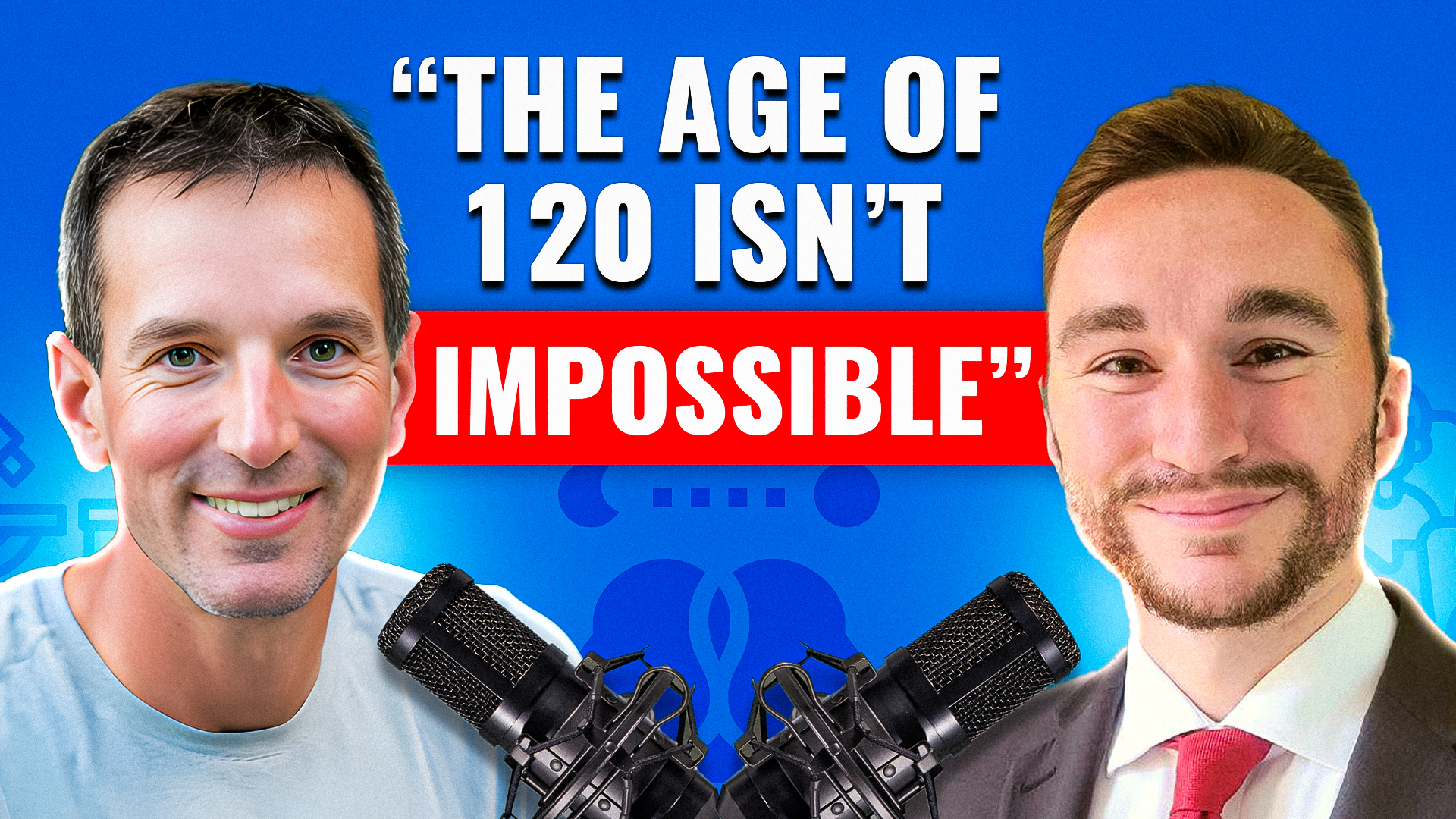
This week I interviewed the podcast host of The Health Detective Podcast, Evan Transue. Evan is also a graduate of Functional Diagnostic Nutrition and speaks professionally to middle and high school students about his mental health challenges Growing up, We discussed the corruption within food corporations, along with the importance of Circadian Biology, prioritizing community and relationships, the Problems with social isolation, the importance of FDN lab testing and his one tip to get your body back to what it once was. Really enjoyed my interview with Evan. I know you will too. Thanks so much for listening and enjoy the show. Alright, Welcome to the Get Lean, Eat Clean podcast. My name is Brian Gryn and I have Evan Transue on welcome to the show.
Evan (1m 35s):
Thank you for having me
Brian (1m 36s):
Sir. I guess I could have called you detective
Evan (1m 38s):
EI do go by that as well sometimes. Yes.
Brian (1m 41s):
And I was on your podcast, gosh, I don't know, probably my, maybe a year ago give or take. That's,
Evan (1m 48s):
It's funny, I was pulling it up in the background 'cause I was try, I'm like, this has been a long time. So I'm looking at this. I have a, it's probably not the exact date, but it's gonna be plus or minus a week. So January 26th, 2023 is what a notification's coming up for. Okay. So yeah, I was trying to find it beforehand real quick. But yeah, we're almost, we're sitting about two years. Yeah,
Brian (2m 7s):
Jesus time goes fast. And the Health Detective podcast, which I listened to myself and I met Evan actually through FDN Functional Diagnostic Nutrition where I got certified and Evan, you work for them and you also own a light therapy company.
Evan (2m 22s):
Yes. So actually I'm sorry, I should have updated that. Oh yeah. When my wife and I moved just a couple months ago, I'd love to act like it was a cool enough business that we were able to sell the business itself. We did not do that. And frankly, this is probably a fault of ours. If we tried to sell the business, that thing would've collapsed overnight only because what we learned is we became the business, which is cool until you try to leave or sell it. So we did get rid of that. We sold the stuff or whatever and are fully remote now with everything other than the speaking in schools. I mean, but I can control that. I'll do that for a month straight, really busy and then take a month off. So it was tough, But it was the right thing to do. We opened it up, actually, I think I could say this on this podcast probably. We actually opened it up when things were shut down because we didn't know when things were gonna open up.
Evan (3m 7s):
This was like a year and a half into the pandemic. And then November of 2021 came around and things actually started, at least in my world, chilling out a little bit. But I'd signed a lease a month ago for this business. So we, we basically worked out the lease and went till the end there and that's when we closed.
Brian (3m 22s):
Okay. So your main, your main responsibilities are around functional diagnostic nutrition, FDN, which your head is right there.
Evan (3m 31s):
Yes. That the public speaking and then it's not in my bio, but I do a lot of digital marketing on the side. So I really enjoy that actually.
Brian (3m 37s):
Cool, cool. And how did, how did you get in sort of into the functional nutrition side of things? What sort of prompted that?
Evan (3m 43s):
Yeah, I mean I always make the same jokes and hopefully people haven't heard this before, but I, no one sets out to do this at five years old, right? No one is sitting there and saying Mom and dad, I can't wait to be a functional diagnostic nutrition practitioner when I grow up. So it was really the cumulation of, of many different health challenges. And then I always reference this, I had seven different diagnosed mental and physical health conditions at the age of 18. And for some reason the, the seventh one, it's not like that number is so significant. I think it was just my personal subjective limit for, okay, wait a second. Like that that, okay, wait a second. Meter's going off in my head. How many more diagnoses can we stack on here?
Evan (4m 24s):
I do the life expectancy with something in the seventies at the time, if this is me at 18, what does 68 look like? What does 70 years old look like? Do I even make it that long if I'm this sick at this age? So I didn't need to be Einstein, I didn't need to be a PhD. I didn't need to be an MD to kind of have what, what I considered at the time, at least common sense to ask myself how is it possible that I can just keep getting worse and worse health wise. And even more insulting to me was the idea that these were all somehow disconnected or unrelated. And I don't mean that in the sense that my doctors were, were hiding some forbid knowledge from me. I don't believe that at all. I'm not into that kind of stuff. I think the doctors are often suffering the same way that people like us are.
Evan (5m 5s):
But the idea that I could be dealing with multiple conditions that had zero correlation or connection to each other, I just didn't intuitively I did not buy that. So it was the resulting journey that came from me being fed up with these different conditions that led to me finding functional nutrition. And of course I can dive into different parts of that more, but each of those is probably a five, 10 minute spiel in and of itself. So I wanna be careful dece, depending on where we want to take
Brian (5m 32s):
It. So what would you say you learned from all that? I mean you got diagnosed with what, you said seven different things and you probably went to seven different specialists maybe, I don't know. But what did you end up, what was the, the conclusion from all of that?
Evan (5m 46s):
Great question. The conclusion was I was correct, or at least my intuition was correct, that these things were connected. And here's how I know that the first thing that I started doing ironically was actually almost unintentional at the same time that I was getting into nutrition was the same exact time I got involved with this group of young adults who were very into personal development. Now one of the things that they did in their personal development journey is they were all a part of this and people get mad, but a network marketing company. I was like 18, I didn't know anything about 'em. I loved it. I was happy. Hey, I've been, yeah, I'm, no offense taken there. I've been Oh perfect. Yeah. Hey dude, it changed my life because they had such a focus on personal development, which was promoted by the company.
Evan (6m 28s):
Yeah, yeah. So it changed all of our lives. I'm forever grateful for that experience. What was the company, if you don't mind? I'm just curious. It was something called Vema. And the reason they got in trouble is 'cause they were heavily marketing towards college kids. So Wow. I mean these college kids were blowing out dorm rooms with 30 people and pitching this stuff. So it, it got wild and it's still in business to this day actually. Oh wow. But regardless, so I was taking the products just 'cause I was interested in the personal development side and I was none the wiser at the time that the core product that we were basically selling, 'cause I wasn't even focused on that, was this high potency multivitamin. That's another thing people don't realize. Actually a lot of network marketing products, even as someone who's not been in one for years, they're actually usually really great and they need to be because otherwise you would not be able to sell purely off word of mouth.
Evan (7m 12s):
It wouldn't work. Right, right, right. So I noticed that my mental health started to get better. And just so this is clear, within about a three month span, all of this is happening where I get the seventh diagnosis. So Now I have this fed up feeling, but it's not that I automatically understand that nutrition's the answer. I just understand at least intuitively that this has to all be connected. I have no answers yet. But in the same three month window I start consuming this high potency multivitamin multiple times a day in different forms. It was like healthy energy drinks or these little shots or whatever it might be because we're selling so much of the product at these events that we were doing all summer long. And I noticed after about a couple months of doing that, that my mental health at the very least was significantly better than it had ever been.
Evan (7m 58s):
At the least as far as I could remember. Of course, my first thought with this, and it really should be 'cause this stuff matters, was well I'm around the most positive people I've ever been around in my life. I'm reading books voluntarily for the first time since I was probably 10. Of course I feel happier. I have goals for my life, I'm setting things out and that's real stuff that can absolutely improve your mental health, no doubt. But then we all were getting older, you know, people were getting into real jobs and actually finding genuine entrepreneurial endeavors that many of them are still involved with to this day. So it's really cool to see what's manifested from people being involved with that company. But the bottom line is we stopped selling the product, all stayed friends, all still into personal development.
Evan (8m 42s):
I'm still friends with these people to this day, 10 years later. But stopped selling the product within a couple of months and stopped consuming the product regularly. Especially depression. That came back. And I'm sure I used less intelligent wording at the time. I just don't know what else to say about it. Now the thought would've been a more dumbed down version of can nutraceuticals affect our health like, or especially mental health. I never thought about that. And I go on just Dr. Google and I type in, I didn't know what to type in. So I just like, again, this is elementary stuff, study on vitamins and mental health. I figure okay, maybe that'll come up with something. And I did not know how to read studies at that time, but I'm looking at this and a bunch of hits came up.
Evan (9m 25s):
It's like vitamin B12, vitamin D, but all this stuff. I'm like, well there's, I'm not a genius again. But it seems like there's something here. There are a bunch of stuff just came up showing how vitamins could affect mental health. No one has ever told me that. No one's ever recommended that. No one's ever asked about my diet. I've been presenting with mental health symptoms since I was five. I was 18 at the time. I was five when I started presenting with these symptoms. 13 years over a decade. No one's ever brought this up to me. And that was, I think this is what you were looking for. That was really the pivotal moment of my adult life. Right. I'd only been adult for like a few months, but that was the pivotal moment of my adult life where I started to realize, oh there's something to this.
Evan (10m 5s):
Which is amazing because I've been sick as crap. How much is there to this? Let's find out. And here we are 11 years later, I do not meet the diagnostic criteria for any of the seven health conditions that I had. One of which I was told was incurable. And I would need a surgery for one day, by the way. So that's kind of insane. Wow. And I'm healthier than I've ever felt in my life. Do I think people like me, I, I do believe this still have kind of a genetic predisposition to being more affected by some of the things that we're doing in today's world. Yes, I do believe that. And I also think that we need to be, if you're like me more careful in today's world, my dad can get away with things that I just cannot. You can see the genes more on my mom's side. My mom was very sick, grandmother, very sick.
Evan (10m 47s):
And her real dad because my mom actually never, I don't think she met her real dad when we heard about him and learned about him later in life. He was very sick. This was a guy. So think about this, I'm 29, this would be my grandfather and in his fifties and sixties in photos because I, one of my conditions was acne. He even had severe acne. How many 50, 60-year-old men today, do you know even in our crap world, deal with that, let alone when he was 50 or 60. So I do believe genes are a part of this, but I believe if we know how to play the game a little bit better in today's world and navigate it to the best of our ability, that's when we can at least live fulfilling and healthy lives. And I, and I do think we're on the cusp of something major in America where we're really fighting this health thing.
Evan (11m 34s):
And Brian, I mean this I, I hate that I even have to like disclaim and justify everything nowadays. 'cause everyone assumes that they know what you believe, just 'cause you say something. I mean this apolitical. And I think if we go back, let's go back as far as January, 2024. I think everyone that's into health, whether you're left or right, kind of liked the RFK figure. You might not have liked certain things you did after that. I get it. Let's go back to January, 2024 RFK. Right? What he's doing in the government right now, just bringing awareness to this. This guy's out there on his social media fo social media platforms with massive followings talking about how fluoride lowers IQ people like you. And I know that those studies have existed for at least 20 years. The average person thinks that's a conspiracy theory.
Evan (12m 14s):
It's, it's a studied fact. It's not an opinion, it's not a theory at all. So when I see stuff like this, I think we're on this cusp of making major changes in this country and around the world. But until those changes are had, and while we deal with the ramifications of some of the things that we did, because you can't just all of a sudden remove glyphosate from the environment. It doesn't work that way. You can't just all of a sudden remove forever chemicals. They're called forever chemicals for a reason. But we can navigate this water while we're healing altogether.
Brian (12m 41s):
Yeah, no that's a good point. I, I agree with you. I mean companies like FDN, I mean there's more and more popping up with just ways to learn about how you can heal yourself from alternative health. And a lot of ma unfortunately a lot of what's going on mainstream, you, you have to sort of do your own research on these things. I mean whether it's toothpaste or whatever it is. And it, that's sort of sad in a sense, right? That because you know, they're all looking to make money and profit these big companies And you know, hopefully what we have going on now, like you mentioned with RFK Junior, that you know at a higher level that what's going on in the mainstream maybe will get fixed to some degree.
Brian (13m 21s):
You know,
Evan (13m 23s):
And just the awareness. 'cause I always wanna see personally and people get, especially my friends that have different beliefs, gotta get a little upset with this. Like, I don't believe in daddy government coming to save us. Sure. And that again, that also doesn't mean that, you know, all of my political beliefs, not you personally, but just people in general. Like just because I say that does not mean I have the stereotypical beliefs that typically come with that. I want an empowered individual, I want an educated individual. Right? I think that's how we prevent a lot of corruption and a lot of bs. If the average per, if even 25% of people genuinely understood what was happening in our healthcare systems and in our food systems, these problems would be erased overnight. 'cause they would go tell one or two friends, everyone would be pissed, everyone would vote against it 'cause it's insane.
Evan (14m 7s):
And they'd be shopping with their dollars and voting with their dollars actually as well. And these problems would cease to exist almost overnight. So is it amazing when your government comes in? And it does seem, I could be wrong, But it does seem like there's a few characters up there that actually want to do something good and really change our trajectory here. Yes. That's a beautiful thing and I'm glad it's happening. But I would love to see the average person educated enough and taking personal responsibility for their life enough that we can just avoid these things to begin with. The government only gets incorporations, let's use corporations. 'cause that's less political. Even though they fund politics, right? They can only get away with as much as we don't know. Right? Monsanto can only get away now they're under bear but they can only keep getting away with the stuff that they've gotten gotten away with as long as we don't know it.
Evan (14m 53s):
Right? If people knew that Monsanto has gotten charged, sued and actually had to pay for this. So again, not conspiracy theory for anyone out there. They've done ghost writing for studies. There was a scientist at Stanford, Stanford that they paid off to ghost write a study. So it's like you're reading science and following scientific studies and you think you're doing great and it turns out the guy behind the study is funded and being paid off by a corrupt company. Right? So if we knew things like that happen, you would never support anything that that company sells or is associated with again. But 99 out of a hundred Americans don't even know that they've been sued for that and not even counting the other things that they've been sued for. So if we knew we wouldn't vote with our dollars by saying, Hey yes, give us more roundup.
Evan (15m 38s):
Hey give us more genetically modified organisms. Right?
Brian (15m 40s):
Yeah. Yeah, that's a good point. And so now today, what would, what would you say are the biggest levers that you do for your health? I mean obviously you, you've overcome like some mental health issues and, and mental health is something that's comes up a lot nowadays. I mean you see it in sports now. A lot of the sports, I know even a golfer who had to take time off and there was a golfer who committed unfortunately committed suicide this past year. Last year. Well no either way within the last year. So what type of steps do you see in only in your health and then also sort of in the bigger picture with FDN and things like that and companies that
Evan (16m 15s):
Try to help? Okay, for my personal health, what I'm doing is one, I think something that happens naturally the deeper you get into the space, this is probably something many of the listeners can relate to. You start to become very aware of where you're at health wise in a way that you never really felt before. And I almost think like, is this what our ancestors were able to do? Is this what native Americans are able to do? They kind of have this awareness of what's good for their body and what's not. I never had that. And I don't mean that in some woo woo hippie way. It's like, just like we shouldn't have to have nutrition facts, right? Like no other animal needs to be told what to eat. They know what to eat. And yet we've domesticated ourselves so much that like we kind of have to get like dieticians and all these people to tell us what to eat to maintain our health.
Evan (16m 59s):
It's almost as if some sense of that starts coming back so I can feel when I'm pushing too hard. 'cause the space does inspire you and then you wanna work a lot and you wanna share this message with people. So you have to watch out for the burnout of, of that or the potential burnout of that. So there's almost this intuitive understanding now of, okay, I'm pushing too hard or whatever in terms of practical steps that anyone can do. 'cause they're like, I'm not intuitive maybe. All right, fine. The number one thing that I try to be in integrity with is stuff regarding Circadian Biology and circadian rhythm. That is probably the thing that I needed to address the most in my health journey. And it's actually one of the things that I found out about and learned about last I, the way that I look at this And what it seems to be or what seems to be true if you look at the science behind this, is that the body just operates better in almost every way when your circadian rhythm is in Czech.
Evan (17m 55s):
So what would a circadian rhythm in Czech be? For the average human? It means that we are awake in the light and we sleep during dark. Now are you gonna sleep for, you know, 18 hours in a day if you live in a northern or very northern or very southern latitude and the sun's all screwed up sometimes no. But it also does mean that for a portion of the day that it's you know, dark, you're not getting yourself exposed to excessive blue light artificial lights and all this stuff. Like you actually have to adapt to that. And I think maybe one of the reasons that I learned this last is because even though people do share this a lot now on social media and podcasts or whatever, it's still one of the least popular things I find in terms of implementation.
Evan (18m 36s):
There's something attractive is not the word. I don't know what it is. I don't, I don't know if it's intuitive, I don't know. If's just natural people almost seem to be able to easily adapt to this idea of I'm gonna try some new foods and hopefully they're better for my health. And even if they don't like it, right, they're still willing to do that. It is so hard for me to sell the idea to people that they should be wearing blue light blocking glasses at night. It is so hard for me to sell them the idea that they should be waking up with sunrise and getting out like they will eat the best food in the world and they still will not do that stuff. But the reality is I find that I can have more leeway like significantly so with my diet if that other stuff's in check.
Evan (19m 17s):
So, and there's a variety of reasons that we can get into that scientifically. So that's kind of the main thing that I do for my health relationships is also a big one. And I'll, that'll be the last thing I say before I talk about like what FDN and these other companies are doing. And relationships wasn't something that I focused on ever. You know, I was a kid, I just hung out with whoever was around. Thankfully some of those people are still great friends to this day. But I didn't think much about that. And then as my health issues got worse, particularly depression and the severe cystic acne unintentionally I isolated myself and I had no idea at the time how much science there is around that isolation will kill you faster than almost anything. Hmm. There's people that smoke, drink, eat like hell and they're gonna outlive a fraction of us in this functional medicine space because they have family that loves them and they get around those people all the time.
Evan (20m 4s):
They're having family dinners still. Like, I mean there's real evidence of that, right? You look at Italy and like they actually have a semi disproportionate amount of people that are living long lives can, even though 25% of the population still smoke cigarettes, 25% of Italians still smoke cigarettes and they're eating. That's a lot. They eating late at night. That's a lot. All this, it's nuts there. And the only reason I knew that is because I went to Italy last year and I couldn't believe how many ashtrays were on the table. And I'm like, why would you need an ashtray? No one smokes. And I look it up, oh no one smokes. Maybe not in America, but over there they're smoking. So how could these people still be living so long, they're eating late in the night, they're eating high carbohydrates, they're smoking all the stuff that we would say is bad.
Evan (20m 45s):
The family unit in much of Italy still, at least in my opinion, I'm not an expert, But it seems to still be very intact in a way that it's not done here. So I, I've shifted a lot of things over time where it's like even when I'm not feeling great or if I'm feeling down or whatever, I cannot isolate. I get out, I'll do pickleball a lot, I do open play pickleball. I love that. That's always good and fun. I do MMA private training, which at least still gets me in front of another human being. Everything that I do with business involves other humans. Although a lot of it's online, which is great, but you know exactly what I mean. 'cause you do this all the time, there's still always there is a, a connection that you and I cannot fully achieve until we get to really get in person. You know what I mean?
Evan (21m 25s):
So that's what I do in terms of what I see FDN and other companies doing for the health side. It's a different route and that's okay. They're still suggesting the exact same things that I listed off and way more. But I believe, and I would even go as far as to say as I know, just 'cause I trust the mentors and expertise that comes into my circle. They're way smarter than me. I believe we're probably only 10 to 20 years if that away from we're gonna take a sample of your blood and it's gonna be barely enough to even annoy you. And the data that we're gonna get from that is going to exceed anything that we thought humanly possible before. And when we have that data, we're still gonna need the real human connection to help you implement all that stuff.
Evan (22m 6s):
Because AI can analyze it. AI can tell you what to do, AI and I don't want it this way. They can't make you do anything. We can't make you eat the better food. We can't cure your food addictions or whatever it is over t overnight. So I think that's where a lot of these companies are focusing. It's not like FDN is out there inventing the technology, but we are operating with the knowledge that it's only a matter of time before we get there. Are we there yet? No. And do I think we're gonna be there in a few years also? No. And that's why I say 10 to 20 because I think sometimes we make these ambitious estimates of how fast these things are gonna happen. So I don't know if I'm the one qualified enough, excuse me to say it's 10 to 20 years. But I do genuinely believe that it's not a question anymore of if it's just when And what a day that's gonna be when we can just take a simple blood sample that, I mean, in a perfect world would be covered by insurance, tell you exactly what you need to do and then work you through that process.
Brian (23m 2s):
Yeah, no, I, I see it getting to that point. And I mean also on that, on, on that point, like stool samples as well, right? Like I feel like GI health is only get, we're just like cracking the, we're just like just hitting the top, touching the iceberg of where, where we can really get with, with stool samples and, and and figuring out like how we can have a healthy gut.
Evan (23m 25s):
Yeah, there's a lot of people out there. The Gary Breca guy, I mean he's saying the same thing. He is like, those that live another five to 10 years, like are gonna live till, you know, 120, 130. And I mean, I know to some people it sounds dramatic, but, and, and it seems like it can't be true. Like wait, our life expectancy for my generation is the first one that's estimated to go down in recorded history. Every other generation's gone up. And I said, yeah, but you haven't accounted for advanced technology. I mean there's people in labs. If you, even if you just look at stem cells, it's like we are regenerating organs now what are the political, social, economic, philosophical implications of doing those things? I don't know. And Brian, will people like you and I have access to organ regeneration or will it only be for a select few that can afford it or even are deemed worthy enough to have it?
Evan (24m 12s):
That's a whole separate podcast. Right? But the technology's coming. That's not really, that's not really a question what that will mean when it exists. I, that's above my pay. I'll stick to podcasting.
Brian (24m 24s):
I I do like how you bring up, I mean I've had a lot of people on the podcast, you know, bring up circadian rhythm and, and like you said, sometimes it's tough for people to, to take action on, on that as opposed to just trying to eat something different. Also, on your point, regarding community, yeah, I mean I, I I think, you know, we took a few steps back with Covid. You know, everyone's also isolated And you know, you can't even walk next to someone, which was a joke, but whatever. And I think there's still some sort of leftover remnants of that in society. I'm seeing it like even with, you know, I live with my wife And you know, we we're not like isolated, but we cook for ourselves. We don't necessarily like to go out to eat.
Brian (25m 4s):
So we don't, socially it's not, you know, we don't, unless we go out of our ways and invite people over, most people aren't inviting us over. I don't think that's because they don't like us. It's because they have kids and they just, everyone's living in their own bubble. And yeah, you'll see people when you're out and about, you know, which is fine. But like that interaction, I think it gets lost. And like you said, you have to sort of go out of your way, maybe join, you know, you're doing pickleball or MMA or whatever it is, some type of community within working out or within, you know, just like social networks that can help you sort of bring back that, you know, social interaction.
Evan (25m 38s):
Yeah. And, and you have to know yourself as well, right? It's, it's regardless of whether introvert or extrovert humans are meant to be with other people. Like no one, I I don't, I do not buy for one second anyone that, you know, shoots out the idea that, oh, I don't need any human interaction at all. 'cause I'm so introverted. It's like, okay, I don't know if we're cre equating introversion with shyness now. 'cause that is not the same thing at all. I understand that some people definitely need more time to process their ideas alone. That's a real thing. But like, the idea that you would've survived without a tribe is crazy. So our default is to be with other human beings. But the reason I referenced knowing yourself is 'cause I always, you know how like people got affected differently during covid, like some, you know, they're mildly affected. Some weren't affected at all and some were like getting killed and I know all the stuff and I, I do all these health things or whatever.
Evan (26m 23s):
And I just found myself getting crushed with Covid and not with the illness itself, thankfully, but just like the, the isolation side. Yeah. And I'm super big into personality theory and I I use it as a tool, right, in personal development to understand oneself. And there's some out there that are just for fun. And then there's some that actually have significant scientific validity and one of them is the big five, otherwise known as the five factor model. And I tested myself in this and I also had my wife test me as well for accuracy and answers. 'cause you know, we like to believe we're self-aware, but we're not. And both of us scored me in the 97th and 98th percentile of extroversion. You know, we, you take a hundred people in a room and in theory, at least in terms of people that answer this questionnaire, I'm gonna be more extroverted than 97, 98 of them.
Evan (27m 7s):
And that to me was validating. Right? That's too much for many people and I get that, but sometimes I'm too much for people online. But I need to know myself and understand that that's okay to be that way. There's nothing wrong with that at all. There's a reason that there's a spectrum for it and there's a reason that certain people get that genetically. There's also a reason people score in the second or third percentile of extroversion genetically. And that's fine too. But if you know yourself like that, isolation is the worst thing that I can do. And when I look back in my health journey, even when I had the acne and I was embarrassed and the depression was making me wanna lay in bed all day, I, I, it probably hurt me worse to stay isolated and then feel comfortable that no one saw my acne than to feel the overwhelming anxiety that would've came from being social even with it.
Evan (27m 53s):
And then it's, this is a very much a pros and cons thing, right? It's not that either situation's perfect, but when you know yourself, you can start deciding what's best for you. And isolation is the worst thing that I can do. I am night and day difference in my mood when I'm with people in person and all that stuff. That's one of the reasons. And Reid at FDN knows this, like I love them to death. I can never do this only full time. 'cause I have to do something in person and, and get that real connection as well.
Brian (28m 18s):
Yeah. Well, yeah, knowing yourself, obviously some people are probably better with isolation than others. Sure. And like that's something that you realized about yourself. I'm probably, I don't know where I would lie on that, on that. I'd probably like in the middle I would guess. I think I'm, I could go, but I do find that like, you know, even just having family over for a few, I know some people don't want family over which that's, but like I have, you know, a sister that lives close and, and their family every time they come over and then they leave, even if they're over for an hour, like the energy, you know, you, you just feel better And you know, in the winter it can be a little dark and whatever. So, you know, I'm outside Chicago, you know. So we're getting to the time where you talk about having a light company, you know, what are your thoughts around like red light and using that as a benefit for your health, especially in the winter mark months?
Evan (29m 5s):
Yeah, I think that, and there's very few things I would say this about. I think red light therapy is probably one of the few things out there in the world of biohacking or functional medicine, whatever you wanna label it under that should basically be universally used. Now what we wanna be careful with is when I see people or just know of people, I should say that sunrise is happening. It, it's not negative 15, it's maybe 40 degrees and they could throw on a jacket and they can walk outside and be totally fine, but they just don't feel like it. And they're replacing that with their a thousand dollars panel in their bedroom. I don't know that I agree with that. But is there a time and place to use this for almost everyone?
Evan (29m 46s):
Yeah, there is. I I mean it requires me to be inside a lot on these podcasts and other meetings to do my job. The pros of being able to do this job and have income come from it is actually very worth it. And I like it for a variety of other reasons that aren't income based. So are there times that I'm almost deficient in some of the stuff that I should be getting because of it? Yes. So I will use it for that reason because it makes sense with my life. But there's also, there's levels to it. The sicker one is the less I'm gonna recommend the panels and stuff. Now why would that be like that? Wouldn't that work really well for someone who's sick? Yes. But it ends up becoming your excuse for why you're not doing the best version, which is get the heck outside.
Evan (30m 26s):
When I was in, I'm a little more lenient now, but not by much when I was in the midst of this and, and really learning about the Circadian Biology side and I was still not, I was never really quite sick when doing the Circadian Biology stuff, but I still didn't feel great. I mean, I was at, it didn't matter if it was 10 degrees in winter, 'cause it does get there. In Pennsylvania where I lived, I would just throw on a jacket, throw on a hat, have the mask. I'm like, if you were going skiing, you would know exactly what to wear today. And we're supposed to be outside anyway. So we would go and, and still walk. I'd find friends that were interested in it as well and wanted to do it. And it, it makes it all easier. So red light's probably one of the few things that I'm like, All right, everyone should have, just don't let it be an excuse to knock still live inside all day and never get outside.
Evan (31m 10s):
Even just the fresh air, the air quality difference of outside is a huge benefit to the person. You know?
Brian (31m 15s):
I agree. I mean, I'm a big golfer, so nice. Like I, I I love getting out and like we're, I'm supposed to play this Sunday. I mean, I can't believe how the temperatures have held here in the middle of November in Chicago. But like, I went out the other day instead of watching a a Bears game, then the bears stink. So I was like, oh, they scored three points at half. Okay, I'm out of here. Like I don't need to watch this. You know, just going outside by myself. It, no one was out there. And you know, just things like that. I mean, I walk my dogs three times a day so I know what you're talking about as far as getting outside and nothing can replace that. And you know, the thing is I always see the same people walking and some of them do have, I would say 90% of the people have dogs, but there's that 10% who know, you can tell they, they know the value of getting outside and walking no matter the temperature.
Brian (31m 58s):
So it's easy to come up with excuses. But with all my clients, that's like the number one thing I try to get all of them to do is just to get out and walk.
Evan (32m 5s):
It's so funny that you said that if I go back to my parents' house, which I lived for or lived at for the majority of my life to this day, the same woman and this one guy, especially the woman though with 365 days a year. Yeah. Without fail. You can find her out there in the morning and like, do I even know if she's doing it purely for a health thing? I, I have no idea. I think at this point it's as habit for her as brushing her teeth. I don't think she has a choice. Right. You know, your body just learns these things at a certain point and this is just what we do. But I am 29. We lived at that house from when I was three and beyond and I don't remember much, you know, at that age at all. So as long as I can remember this woman has been out there walking the same walk every single day and it's multiple miles, you know, it takes her probably 45 minutes an hour and without fail she's out there.
Evan (32m 50s):
So it is funny though that you said that because you do like, that's interesting that you would notice that even in a busier place like Chicago. 'cause my parents live suburbs almost rural, but yeah, no, you're like, this is the same individual every single day
Brian (33m 2s):
Out here. Oh well yeah. I mean I'm in the northern bird, so we're not in the city, which I, trust me, I lived in the city for a little while and then I had got a dog. I'm like, there's no way I'm living in a city with a dog. Okay. I don't know how people live in the city with a dog when they're, you know, shitting on the sidewalk and if no grass. So like, I was like, yeah. So we have, yeah, we have land, which is nice. Nice. But yeah, it's just, it's, it's simple to do but it's also simple not to do it. You know, it's one of those things. So community circadian rhythm, which I think goes hand in hand with getting walks. Is there anything else that you think is sort of that big lever that people can move to sort of, you know, get their health on the right track?
Evan (33m 39s):
Yeah, the, the big lever definitely still is, and I, I'm biased towards it, but I think it's very real. You gotta get yourself involved in the functional testing to some degree. Yes, in years from now there will be tests that are more optimized and it's probably gonna be super cheap or at least very affordable would be the right way to say it. And you can run the blood work and it's gonna be easy. We're not there yet. So what you need to do now is get yourself hooked up with someone who knows how to read these labs, knows how to actually do this stuff and figure out what the heck's going on. Especially if you're someone that has engaged in much better habits than the other people around you and you still don't feel like you're getting better. That's actually how I found FDN in a sense because I was 21 when I found FDN and in the year prior, I mean I was so nailed down with my habits.
Evan (34m 25s):
I'm doing intermittent fasting, I'm eating purely organic. That's like where all my money's going. I'm going to bed kind of on time. But even if I didn't go to bed on time, I would still get my eight hours of sleep and make sure I didn't wake up with an alarm. I had good friends, all this stuff. But there was still these missing percentages. I needed objective data. And blood work is the most validated form of data in terms of biomarkers that we have. But it's tight for a reason. It's because when you go out of it, you meet usually the criteria for some type of diagnosis, right? If your blood sugar's off the charts and it happens twice in two sessions, you get diagnosed with type two diabetes. So they're shooting for these diagnoses.
Evan (35m 6s):
But there's a bunch of people that feel like crap that may or may not meet diagnostic criteria for X, Y, Z conditions, but they still are not living a great life, right? That's when you need to do the functional testing. And when I looked at the things that FDN teaches us and breaks down as their foundational labs, I went from a guy who's remember simultaneously being told I have seven different diagnosable conditions, but my blood work otherwise looks normal. I had a slightly very slightly high TSH and I and they wouldn't actually consider it high. That's a, from a functional perspective and I had a slightly high cholesterol from the western perspective, even that's all they said was wrong. But with the people in functional medicine, parasite, bacterial infection, hormonal output, that was indicative of exhaustive phase HP axis dysfunction.
Evan (35m 53s):
So someone who's been going, you know, for years and years and years under chronic stress, multiple food sensitivities, poor detoxification, not breaking down protein and to the untrained deer, this can almost sound like doom and gloom. It's like, oh my gosh, like all that stuff. It's like when I saw that I'm not thinking doom and gloom, I'm thinking hallelujah. Like thankfully finally someone is telling me why I don't feel good. I could have told you years ago, I don't feel good. So not getting validated on lab tests was actually more detrimental than finding all these things that were wrong because all those things that were going wrong, I was also learning what to do about them. And they're all things that we can affect positively with lifestyle changes or intentional and well thought out protocols.
Evan (36m 37s):
So you gotta test, I do not believe in just buying random stuff online and then testing yourself. And I, I, again, I know that's biased 'cause it's like people like Brian and I, you know, clearly we make money doing that to some degree. But the difference is if you buy a test online randomly all you're ever gonna know how to do and if you're not trained is see markers that are high, are markers that are low and then you're gonna go on Dr. Google and look up what that high or low marker means. And that information might even be accurate, But it is never, well not yet. 'cause the AI's not there. It's not yet able to take those markers in the context of you. Who are you as a person?
Evan (37m 18s):
What do your other labs look like? There are plenty of times as an FDN where I see something high or low on a lab and we're not gonna do anything about that at the time because I know when we work on this other stuff, all of those things are probably gonna fall into place anyway. And not to mention Dr. Google is gonna have the philosophy of treating the paperwork. So you have low X, Y, Z marker or high X, Y, Z marker. We're gonna give you something to raise it or lower it respectively. That's not how we think as FDN and many functional practitioners, thank God, don't think that way. So there's no, I don't even have a link for anyone to go work with me. I don't have a public website that I do health coaching on. So it's not even a shout out for me. It's just find the person like a Brian or like someone who can run you through these labs so that you can get answers that actually makes sense for you.
Evan (38m 1s):
And only do this stuff if you've tried other things and it's not working. I'm not even telling you to do it as a first step. I, I would love if you did that, but I know most people won't. I'm talking to the individuals who are out there like me eating better than most people resting better than most people and you're still sicker than most people. That doesn't add up. That means you have a roadblock and the roadblocks can normally be found in the labs.
Brian (38m 21s):
Yeah, it's a great point. I mean I think there's a lot of guessing out there and like it is a puzzle. It's, there's no like perfect formula, right? And we hear everyone's a little bit different, but like I'll, I, I've done the testing through FDN on myself, you know, as, as a starter just to see where I'm at. It was interesting, you know, you learn some things about yourself that you would never really know. Like one of the things I found out was like I have low morning cortisol and it just sort of stays like middle-ish And you know, you wanna have that spike in the morning to get you going and, and honestly like I feel pretty good in the morning. Like there's no like symptoms, huge symptoms I get from that. But it is just something just to take note of and it, there could be something lying be behind that that that there's a reason why I have that.
Brian (39m 5s):
But you know, I think it's about just, you know, the more you can learn, the better. I do think you can over test, which is a whole nother thing. Sure, sure. But, but I think, you know, starting with just basic lab tests, like the GI map is another one where, you know, learning about what's going on in your gut I think can give you sort of another piece to the puzzle that might help answer some questions as well.
Evan (39m 26s):
I agree with your over testing sentiment. That's actually probably so I'm not gonna go off on it for 20 minutes, but it's something worth noting. Like I always word it this way, if someone had a million dollars to spend on their health, would I run a million dollars worth of tests and and they already have the gadgets or whatever. No, I wouldn't, there's absolutely a lull of diminishing returns and even lull of diminishing returns implies that you're still getting some benefit as you keep running them. It's just less and less. I I almost, it's it's a more advanced version of law of diminishing returns where it actually could almost be detrimental at a certain point. Yeah. Because what the heck do you do with 150 different labs and all of their subsequent results? That could be thousands of markers. And the truth is, if you run all that, even on the average person, you're gonna find a lot that isn't going so great.
Evan (40m 10s):
So the foundational labs that are taught to FDN practitioners, you know, this wasn't pulled outta nowhere, this was pulled after Reed ran labs on over 10,000 people. It's actually over 11,000 people that he ran it on. And what he realized is, okay, a lot of labs do have validity. There's a lot of great ones out there. These core ones seem to align very well with what systems of people's bodies go awry when they get sick. If you have someone under chronic stress, the idea that their hormones are gonna look perfect is insane, of course they're gonna go wrong. So we check for that. Nowadays it's very widely accepted that the gut is such an integral part of our health. I could test anyone's gut in America and we're gonna see some things that we can improve there.
Evan (40m 50s):
So yeah, we're not picking the foundationals out of thin air. We're picking it outta stuff that we know will give us the most opportunity to help the individual. But over testing's a real thing for sure. And you need to have the right mindset with it. You know, as I'm getting into a different stage in my career where thank God I can afford to do this a little bit more, I'm someone who wants to test quarterly now why? 'cause that's not for everyone. For me having lived, it's probably like childhood trauma if I'm being honest. I hate, I know everyone references that, but I think it is a form of it for me being so scared most of my childhood and teenage years and not knowing what's going on. That's actually the thing that gets me the most. Feeling like I know what's happening in my body. Quarterly would be empowering to me.
Evan (41m 31s):
I believe, at least I haven't done this yet. So we'll see what happens as I start to do this, I, I believe would be empowering and I actually think would gimme more peace. I also have the belief that very few things that are serious develop in just one quarter. So if I can of, you know, of a year, if I can find those things early, I don't even know what that would mean for my long term health. I mean, of course that implies that anything that goes wrong in the labs, you have an ability to it effect, which maybe you do, maybe you don't, depending on where you're living and how you're living. But I just, I just think that'll work for me. So over testing is also a very personal thing where like, does it freak you out every time you see something on the labs? Or are you someone like me that it freaks you out not to know? I think that matters too. Yeah.
Brian (42m 10s):
Yeah. You gotta sort of find that fine line. I mean I think for me, like I'll probably test every six months maybe to Sure. You know, six to eight months give or take. But yeah, everyone's a little bit different. And obviously testing's not inexpensive and like you said, maybe in the future it'll become even less expensive to know different markers. What would you say one thing that you've changed your mind on in the past 10 years? You
Evan (42m 33s):
Know, I've changed my mind on the idea of how strict you need to be to maintain your health. And there might, and this, I, I think it's a very common experience, so I don't want to now be on the other side of this where I'm discrediting the people that are in the beginning of their healing journey. There might be a portion of time in the beginning of one's healing journey, especially if they've been sick for a decade or decades, that you do need to be very strict. Especially if you want quicker results. Like you gotta stop doing the crap that you were doing and stop adding fuel to the fire that is your body right now. That's real. But I think the, I think we never put on the breaks with that. Like we're full throttle on the, the strictness of our routines and regimens with this and we never put on the breaks again.
Evan (43m 17s):
And some of us keep going for many, many years like that without even considering that there are breaks. And I think I, I definitely have changed my mind with that. I thought there were certain things I would not be able to do for the rest of my life. I thought that I was completely reversing all of my progress if I messed up one time. And that just, it's not true and it's not real. And it's mostly a psychological thing that happens to most of us because we're so damn scared and we're so damn hurt from all the things that we've dealt with. And all we wanna do is feel better that we just, we sometimes almost get illogical about it. And I say we, because I know I'm not, I don't wanna just project, but I know I'm not the only one who's experienced this 'cause I interview people all the time. Right? It's like the bottom line is this, if you were doing everything wrong for years And now you're doing almost everything better for months and you mess up one time, that's not a major regression guys.
Evan (44m 9s):
It's not even a big deal. Like you might not feel great that day and that might make it feel like it was worse than it is. But like it's not that big of a deal. You've done things wrong for years. You've been doing things right for months. One slipup is okay and the body is obviously meant to take some level of stress, otherwise human beings would never be here right Now. I mean even with Western medicine and how much it does save lives 'cause it saves lives every day. That's true. The fact that humans like the fact that we can change our environment, our sleep schedules, our food this much. It's actually sometimes more shocking to me that we aren't sicker. And I know that seems like a wild statement. 'cause it's like, well people are pretty sick.
Evan (44m 49s):
I'm like, well if we did this to any other animal, I think most of 'em would've been dead by now. Or just extinct. Like yes, Western medicine's probably holding a lot of us on and we don't account for that. But I just, I don't know of any other animal that you can just completely change their diet. Like no, people are eating unrecognizable things that aren't even close to food. Just if they're eating processed stuff all the time and they can still last May in suboptimal condition, grand chew, but they could still last decades doing that. I don't know of any other animal that can do that.
Brian (45m 17s):
Yeah, yeah. The bo the body's a a amazing thing. Right? Like it can adapt and, and I, I like what you said, I mean, I always stress to people it's not about being perfect. Like for me, I mean I've been around, you know, obviously my friends for a long time. They know I'm like pretty health, you know, into health and it's like the forefront of my mind and one of my pr big things that I prioritize and they see me eat like a dessert and they're like flipping out. They don't even know what to do. And I'm like, no, actually I enjoy dessert. Preferably homemade, but you know, so I think you gotta give yourself some leeway and not be so strict all the time. I think that's an important point.
Evan (45m 53s):
Yeah. And let's, if I can just, so there's a definitive statement there, but I should have said this. 'cause people will be like, you know how low ga well wait, how do I know if I'm being too strict for too long? If it's been multiple years and you've never taken a break at all or one cheat day or whatever from your routine, it's too long. Yeah. You didn't need to go years. And I promise you, I promise your psychological worry about being perfect with all this stuff is probably at that point, the number one thing hurting your health. Unless you have like mold in your bathroom and you don't know about it. I get it. But like within reason, if you are two, three years into this and still being as strict as day one and you don't feel great, the psychology's killing you more than anything. I can almost guarantee that.
Brian (46m 32s):
Yeah. I mean my wife's grandfather like just passed. He was like a hundred years old and I, I remember asking him like, you know, like, what, what was your life like? And I mean, he was in the war and like, anyways, a podiatrist and this and that. But like what I got from him is that he also sailed a lot and his stress levels I think were pretty manageable throughout his entire life. He didn't eat perfect, none of that. And you know, he just was, you know, around loving people and like you said, like just kept that stress low. And I think stress can wreak ha no matter how good your habits are, it it'll take you down.
Evan (47m 13s):
Well and Brian, you know, it's hilarious 'cause and I've only met so many of these people, so I guess it's like I've interviewed all of 'em in the world. But you know what's so funny about the people that are 90, 95, a hundred and you them, their secrets to something. None of them were trying to do that. Not one of them are trying, like I know now in our generation, in our world is a functional medicine. You got like Dave aspr, what do you say, 180 or something like that's his actual goal. And I mean, hey, that'd be really cool if he did it. So God bless, I hope he figures it out. But it's not a poke at him by any means. It's just these people that typically achieve that. The irony is they weren't trying to achieve it. Right. They're just so chill and they know how to live and be present that that takes them there.
Evan (47m 55s):
I know, I, I need to always just be honest about where I'm at with my journey. I need to work on a lot in terms of stress. If I think I'm making to triple digits, especially with the genetics that I have, I'm nowhere near there right Now. I probably, all this health stuff was probably just to get me to a normal life expectancy. There has to be a whole new phase and evolution of Evan Transue who, if I'm gonna get to that, that next thing where, you know, I'm not running on adrenaline all the time.
Brian (48m 19s):
Yeah. Well this was great Evan. I feel like this, we could be a two hour episode even though most of mine are just an hour. But maybe we'll have you back on another time. What I, I like to ask this to most of my guests that come on. What one tip would you give someone that's just getting on their health journey and they sort of don't know where to start?
Evan (48m 36s):
Catch sunrise every single day of your life if you can for at least 30 minutes. I don't care if it's raining, I don't care if it's snowing, I don't care if it's cold. Whatever you gotta do, you wake up earlier than that for work. Just get out and do that. There is, there's absolute magic that happens during that. And
Brian (48m 54s):
Did you say catch Catch the sunrise. The sunrise. Gotcha. Okay. You said it really fast. I just, sorry.
Evan (48m 58s):
Yeah, catch sunrise every day and don't be on your phone out there scrolling,
Brian (49m 3s):
Actually take time. Oh, don't even tell me about that. Yeah, right.
Evan (49m 5s):
Well, because you will find like, yes, there's a health benefit to it and it's pretty significant, but the mental revelations that come when you have that moment of peace in the morning, I do not fully understand it, but I mean, it's spiritual. That is the only way I can describe it. And that's not gonna happen on day one. You're not gonna have some, you know, huge spiritual epiphany. I have never had a client do that for a month straight. That one did not notice significant improvements in their health and sleep. But also two did not start to feel some form of connection or something deeper. It happened to me and I'm a former atheist, so go enjoy that. And that is definitely the one thing I would tell people to do if they can't do anything else.
Brian (49m 43s):
Love that. Yeah. Yeah. That's something that even with like, I'll, we'll travel so I won't have my dogs necessary. 'cause my dogs, we, they want to get out. So that forces me. But I enjoy it. So even when without my dogs and if we travel, I'll get out and just walk by myself or, you know, so it's, it's, yeah, it's something I always stress and, and don't, and I don't bring my phone, so I know there's there, there's certain people I see and they're always looking down at their phone. It drives me nuts. But that's a whole nother thing. But yeah. Anyways, Evan, thank you.
Evan (50m 14s):
Thank you Brian.
Brian (50m 15s):
Lots of good info. Lots of good info and I appreciate you coming on. Where's the best place for people to find you?
Evan (50m 21s):
So for me, anything FDN related Health Detective podcast, all that stuff is functional diagnostic nutrition.com/podcast. That helps you out with all the podcasts that we're on. And then my personal stuff, the only thing I even talk about would be for the school speaking. So if, God forbid there's a, a teacher or something listening to this that you gotta understand, I don't necessarily go in and teach the kids about functional medicine per se, but if there's something that you liked, Evan Transue dot com is where you can find all the speaking stuff and I, I always greatly appreciate any referrals. Great.
Brian (50m 53s):
All right. Well Evan, have a great rest of the day and thanks for coming on the podcast.
Evan (50m 57s):
Thank you, sir. Thanks
Brian (50m 58s):
For listening to the Get Lean Eat Clean Podcast. I understand there are millions of other podcasts out there and you've chosen to listen to mine and I appreciate that. Check out the show notes@briangrin.com for everything that was mentioned in this episode. Feel free to subscribe to the podcast and share it with a friend or family member that's looking to get their body back to what it once was. Thanks again and have a great day.